Chitwan National Park is Nepal’s oldest national park and a UNESCO World Heritage Site, located in the subtropical lowlands of the Terai region. Once a royal hunting ground, the park is now one of South Asia’s most important wildlife conservation areas and offers a rare opportunity to experience Nepal beyond the mountains.
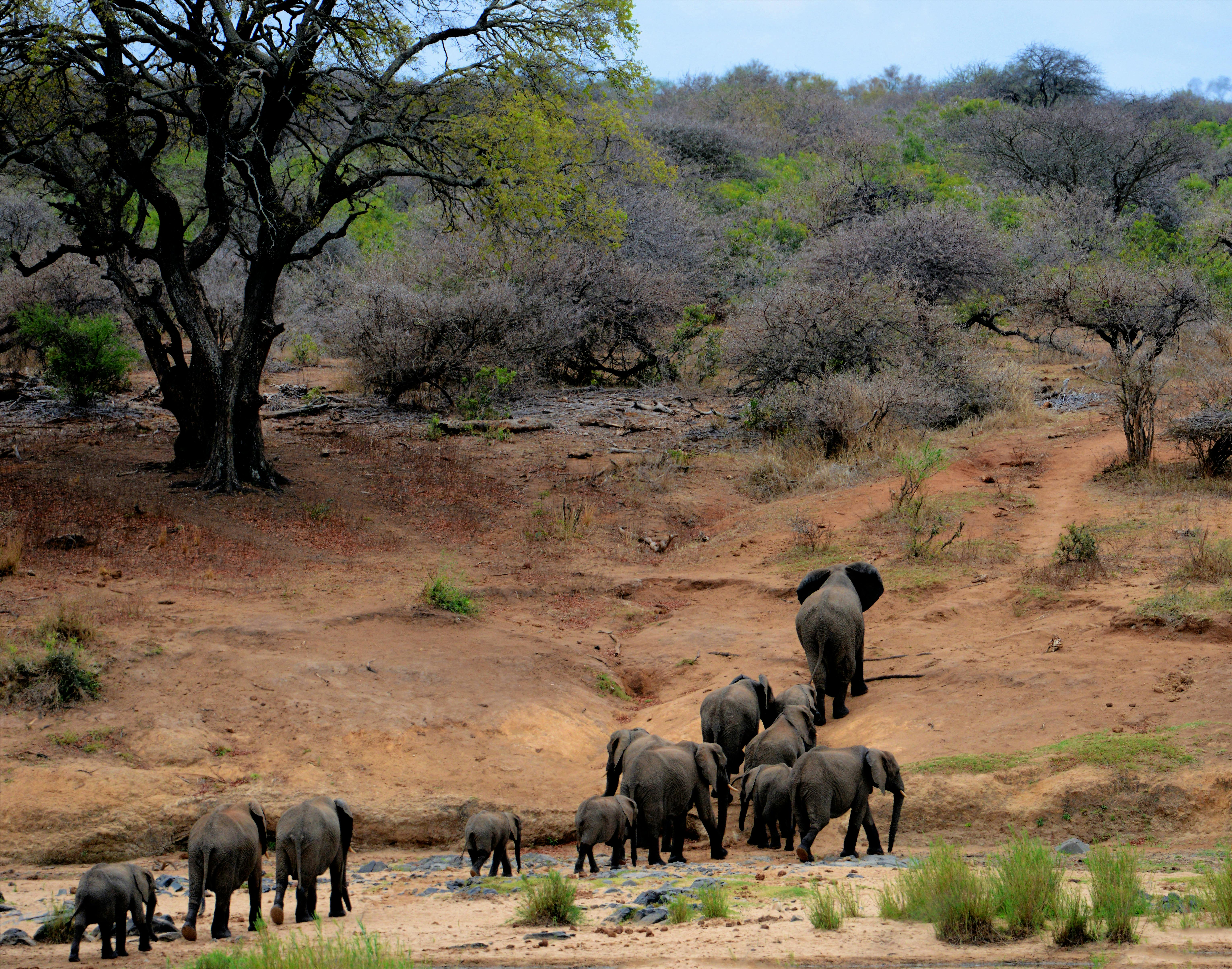
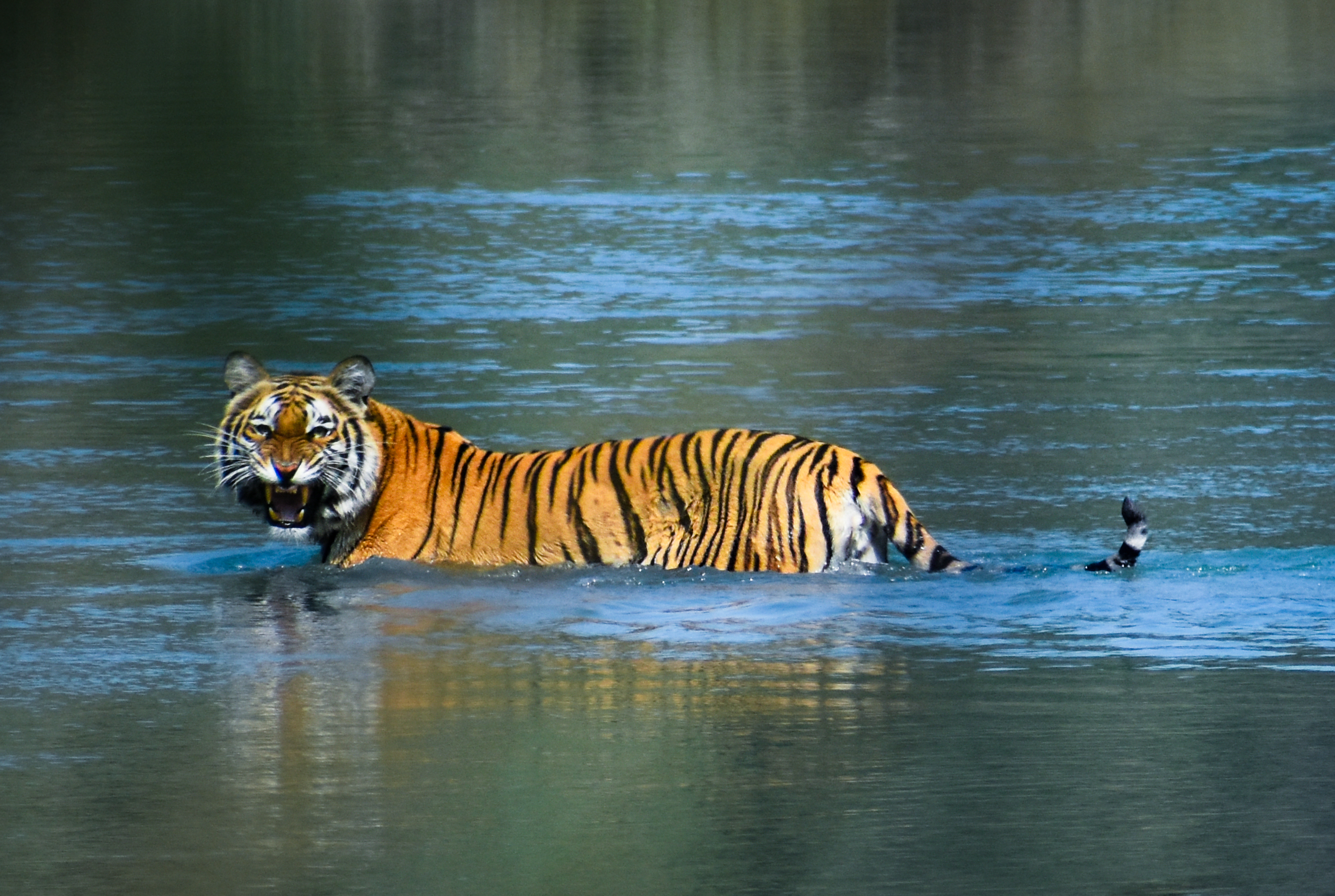
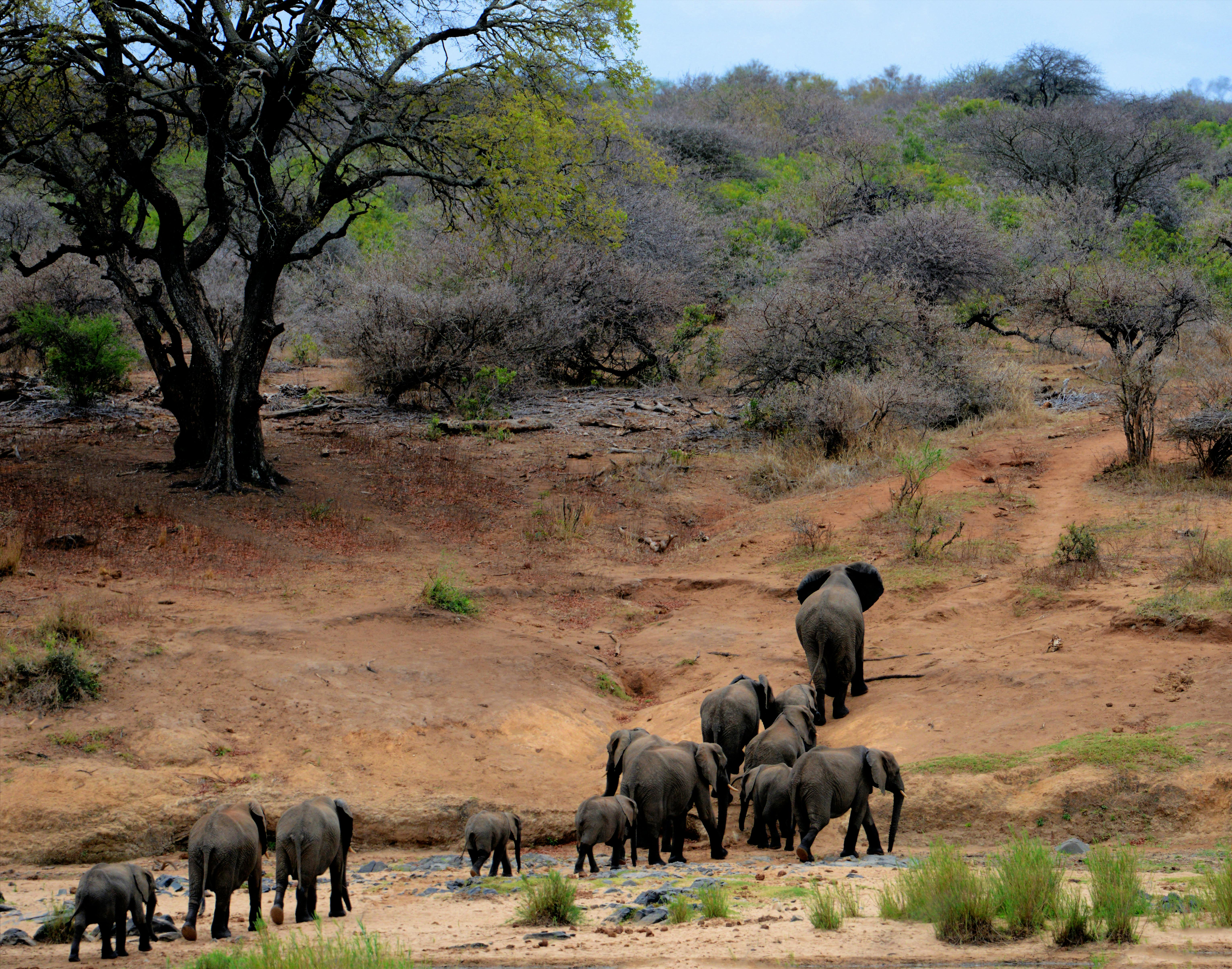
The landscape of Chitwan is defined by dense sal forests, open grasslands, riverine jungle, and slow-moving rivers. This diverse habitat supports a wide range of wildlife, including the endangered one-horned rhinoceros, spotted and barking deer, wild boar, crocodiles, and more than 500 species of birds. While sightings of the Royal Bengal tiger are rare, the park is one of the best protected tiger habitats in the region.
The experience in Chitwan is designed to be immersive yet relaxed. Activities are spread across the day and led by trained naturalists who understand animal behavior and park regulations. Jeep safaris, canoe rides, and guided nature walks allow visitors to explore different ecosystems at a comfortable pace while maintaining safety and respect for wildlife.
Chitwan is also culturally rich. The region is home to the Tharu community, whose traditional lifestyle has developed alongside the jungle for generations. A village visit offers insight into local architecture, farming practices, and cultural traditions, adding depth to the wildlife experience.
Accommodation in Chitwan is arranged in carefully selected jungle lodges or resorts that provide comfort without distancing guests from the natural surroundings. The setting allows time to slow down, listen to the forest, and observe life at a different rhythm.
For families, Chitwan offers an educational and engaging environment where children can learn about wildlife, conservation, and local culture in a safe and structured way. For other travelers, it provides a peaceful contrast to trekking and city travel, rounding out a well-balanced journey through Nepal.