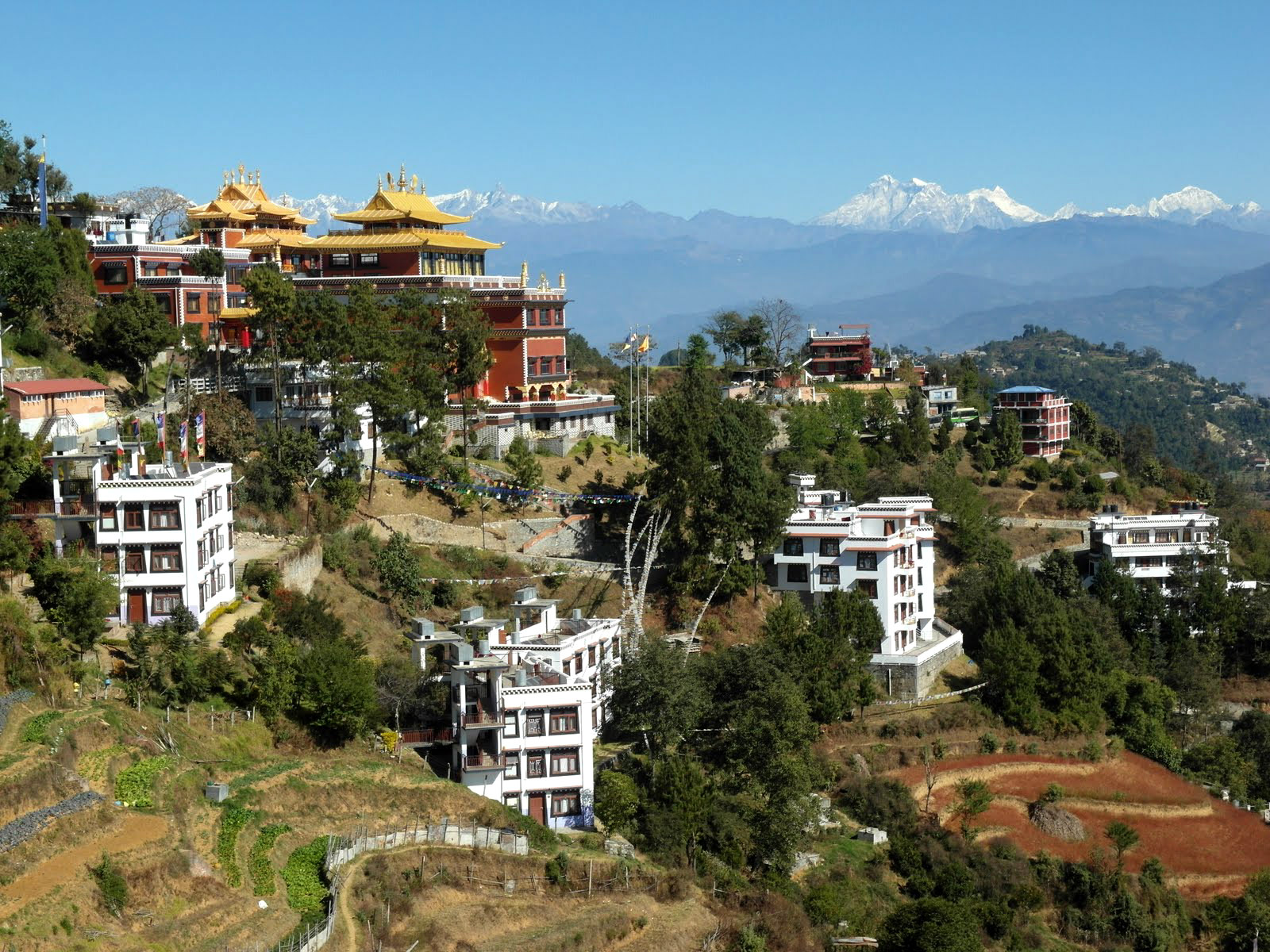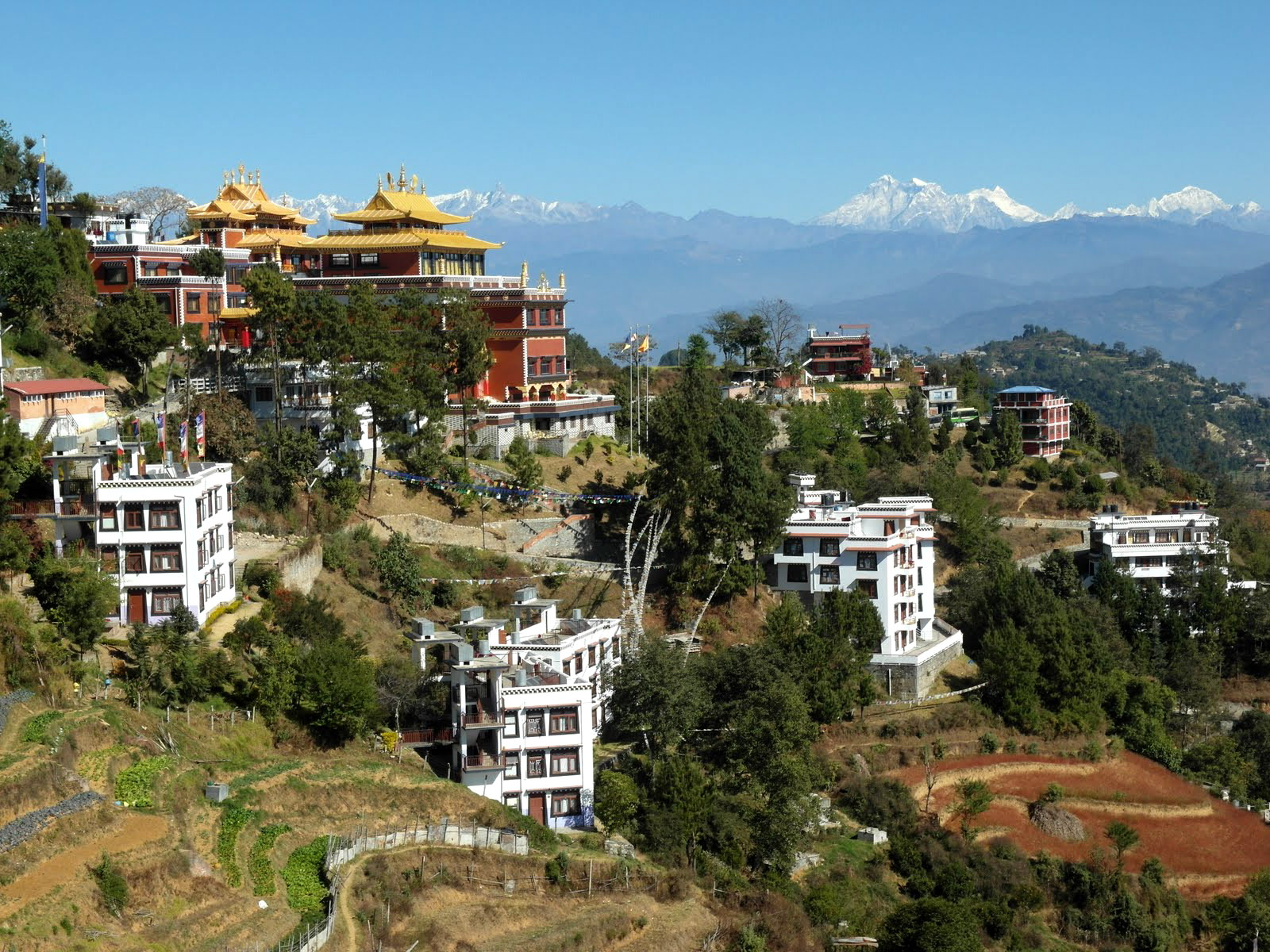
Namo Buddha is one of Nepal’s most important Buddhist pilgrimage sites, located about 40 kilometers southeast of the Kathmandu Valley in Kavre District. Set on a quiet hilltop overlooking green fields and distant mountain ranges, the site is known for its peaceful atmosphere and spiritual significance.
The main stupa of Namo Buddha stands at the top of the hill and marks a place of deep religious importance. From here, visitors can enjoy wide views of the surrounding countryside and, on clear days, the Himalayan foothills. The name Namo Buddha means “Homage to the Lord Buddha,” reflecting the reverence associated with the site.
According to Buddhist tradition, Namo Buddha is linked to a powerful story from one of the Buddha’s previous lives. It is believed that he was born as Prince Mahasattva, the youngest son of King Maharatha. While walking through the forest with his two elder brothers, the prince encountered a starving tigress and her cubs, too weak to move. Moved by compassion, Prince Mahasattva offered his own life to save them. When his brothers later returned, they found only his remains. In his memory, the king and queen enshrined his relics and built a stupa on the site, which later became a place of pilgrimage for both Buddhists and Hindus.
Today, Namo Buddha is regarded as one of the three major Buddhist pilgrimage sites in Nepal, along with Boudhanath and Swayambhunath. The area is well suited for meditation and quiet reflection, with clean air, open landscapes, and a gentle rural setting. Sunrise and sunset from the hilltop are especially memorable, adding to the sense of calm and retreat.
Despite its religious importance, the surroundings of Namo Buddha remain rooted in everyday village life. Walking through the area offers a glimpse into traditional Nepali rural culture, making a visit here both a spiritual and cultural experience.