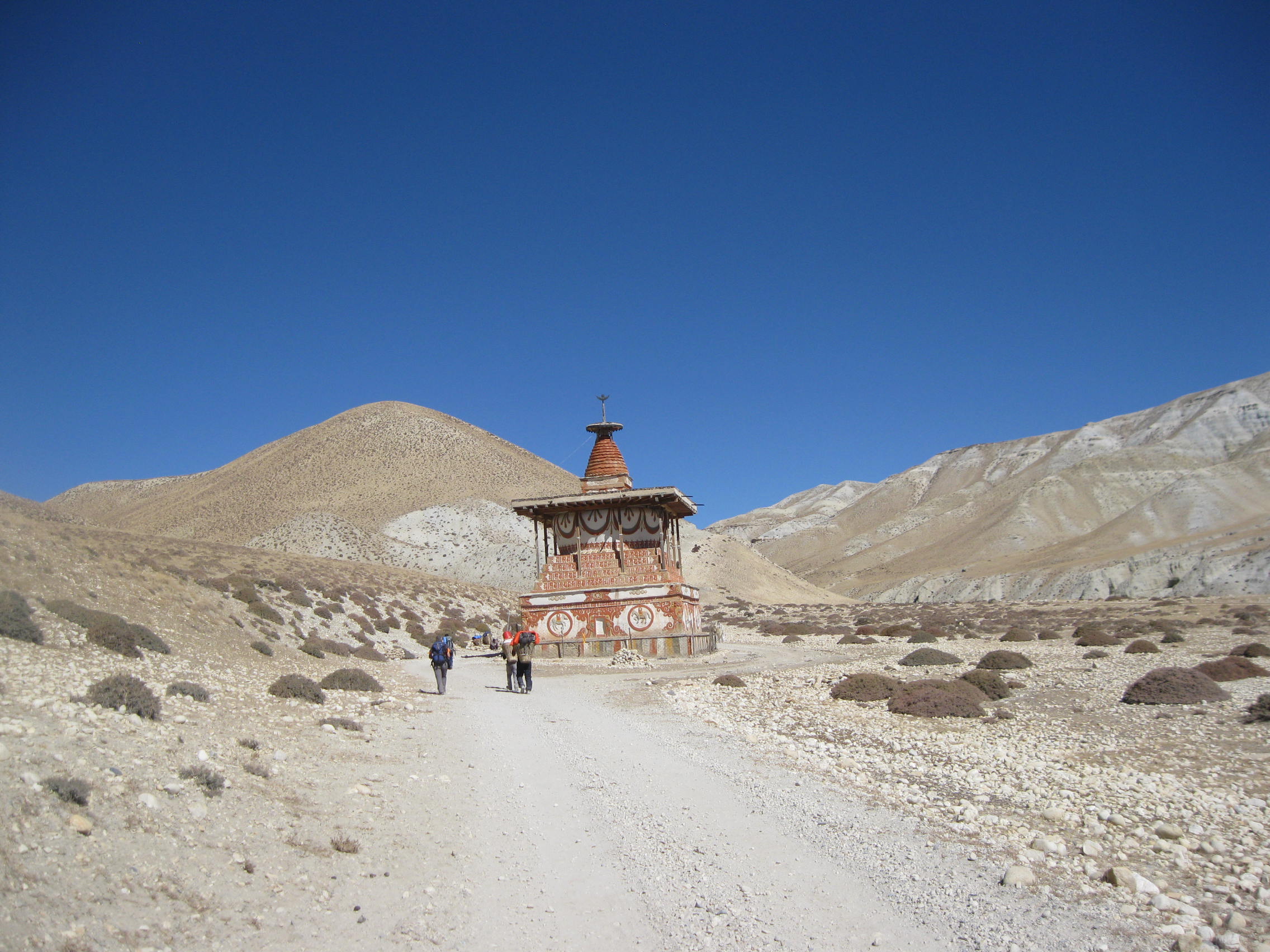

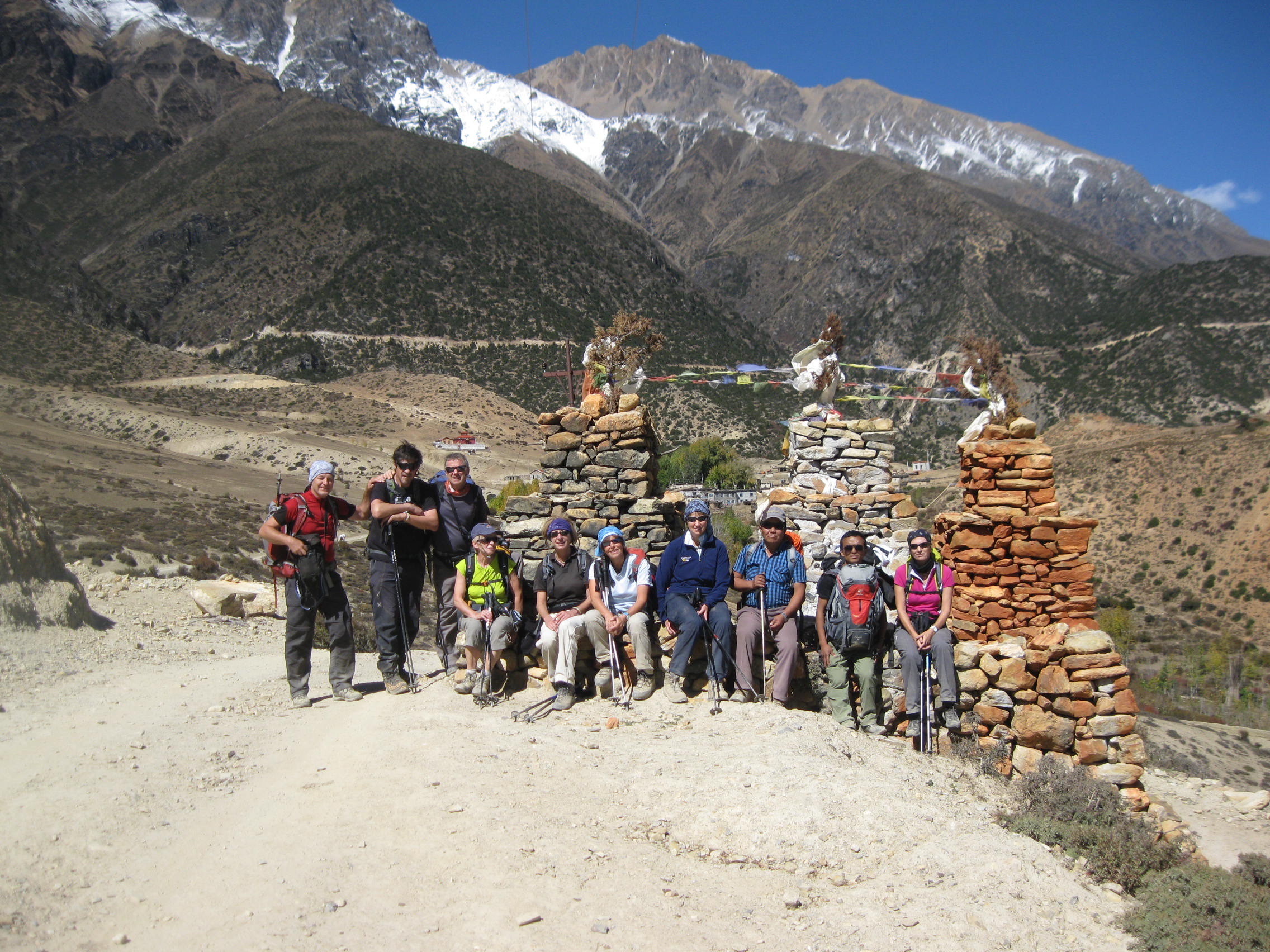
The 18-day Upper Mustang Trek is structured for those who want to move beyond the main trail and experience Mustang’s more remote corners. In addition to the classic route to Lo Manthang, this itinerary includes detours into side valleys and extended exploration around the northern plateau.
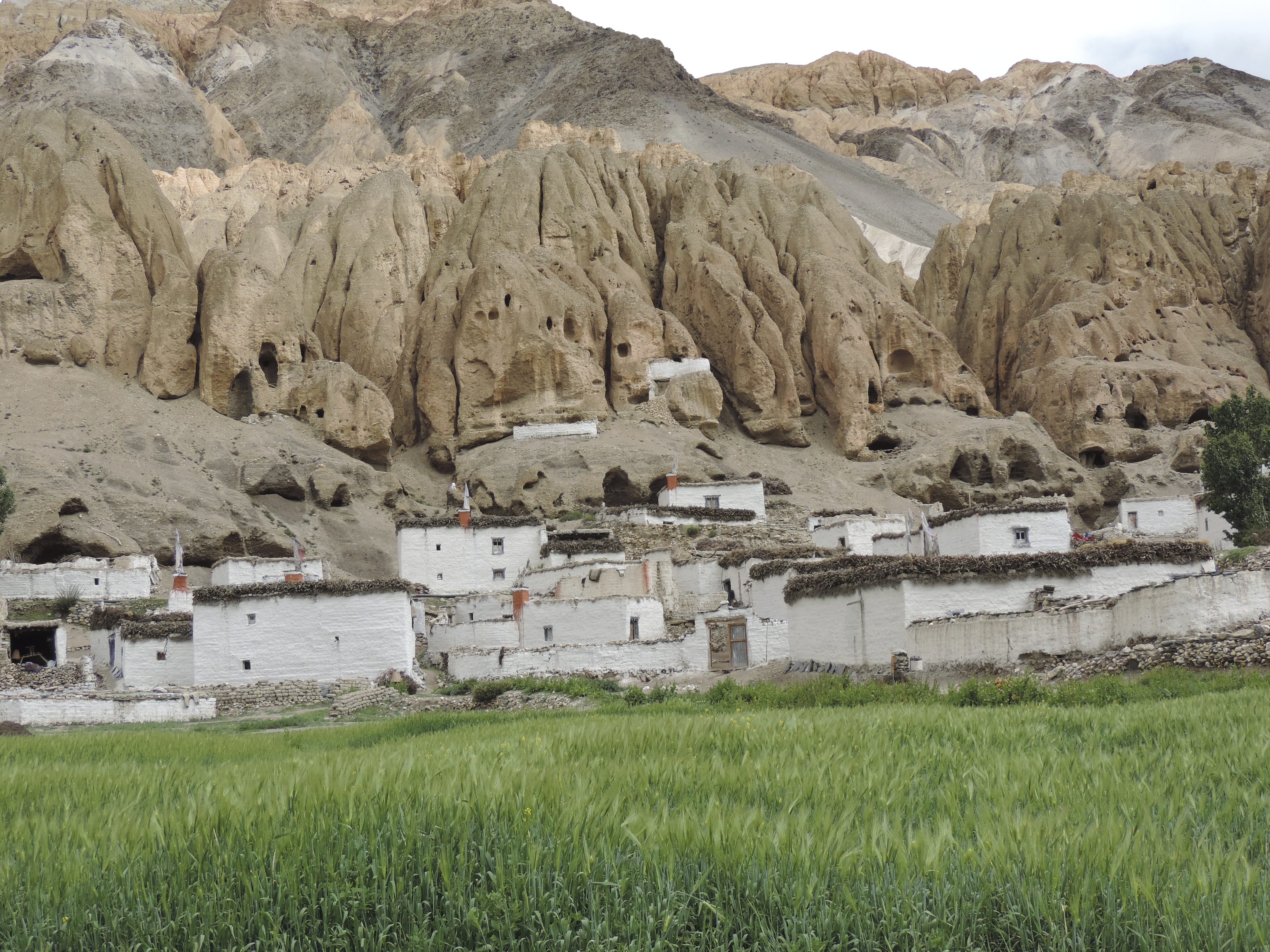
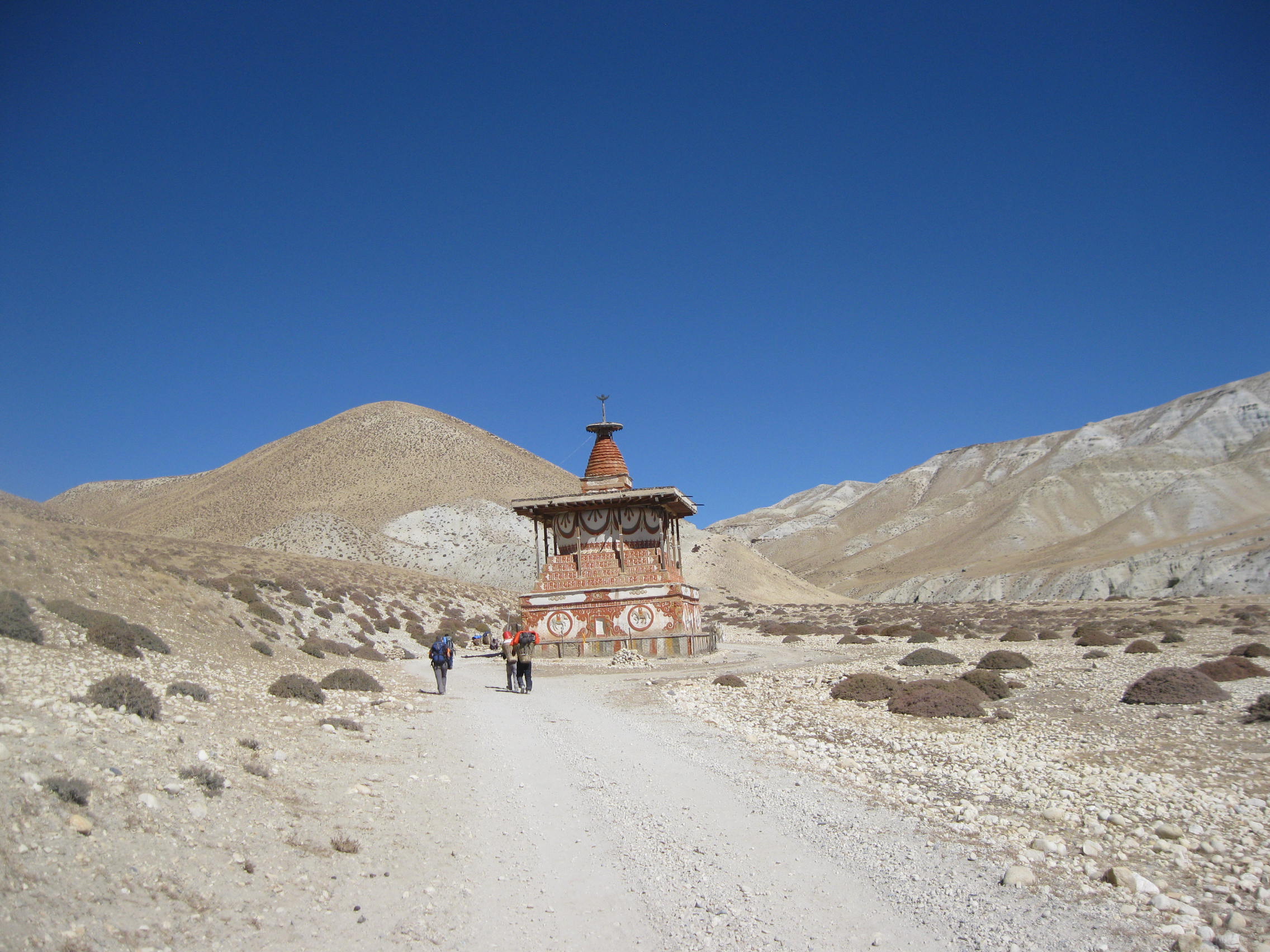
After entering Upper Mustang, the trail diverges at selected points to visit lesser-known settlements and high ridgelines, offering expansive views of the Tibetan Plateau and surrounding peaks. These sections feel noticeably more remote, with fewer trekkers and long stretches of open terrain.
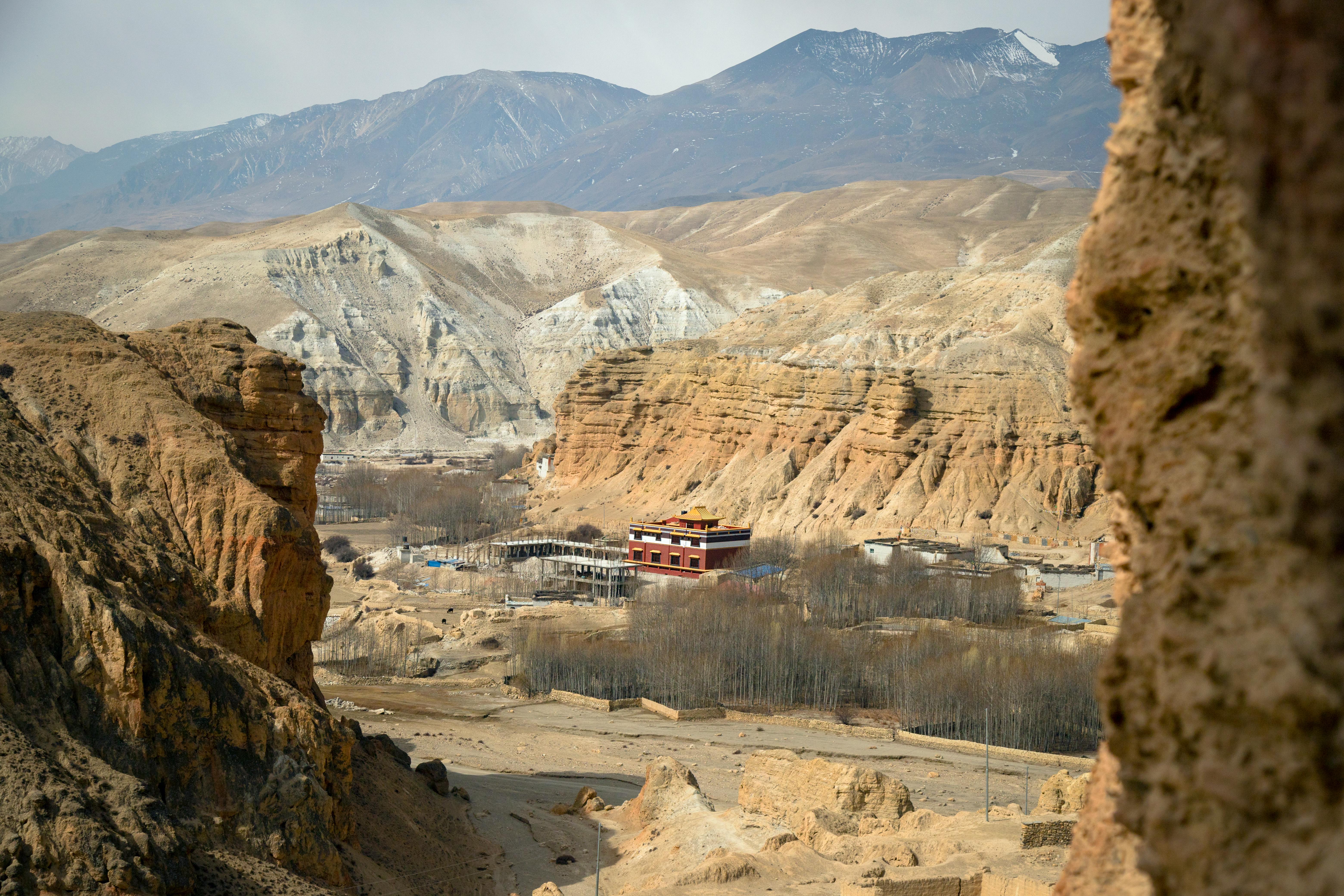
Time in Lo Manthang is combined with excursions to nearby caves, monasteries, and viewpoints that reveal the region’s historical role as a crossroads of religion and trade. The return route is intentionally varied, providing a different perspective of the landscape rather than retracing the same path.
The climate remains dry and predictable during trekking seasons. Daytime temperatures typically range from 8°C to 16°C, while nights can drop to -7°C to 3°C, especially in higher and more exposed areas.
This itinerary is ideal for experienced trekkers who want a broader and more immersive Upper Mustang experience without extreme altitude or technical terrain.
Best Season
-
Spring (March–May): Mild temperatures, clear skies, blooming wildflowers
-
Autumn (September–November): Stable weather, crisp air, excellent visibility
Trek Style
-
Teahouse accommodation in accessible villages
-
Tented camping in remote sections where lodges are unavailable
Permits Required
-
Upper Mustang Restricted Area Permit (RAP)
-
Annapurna Conservation Area Permit (ACAP)
-
TIMS Card
Physical Requirements
-
Good general fitness required
-
No technical climbing involved
-
Daily walking: 5–7 hours on average