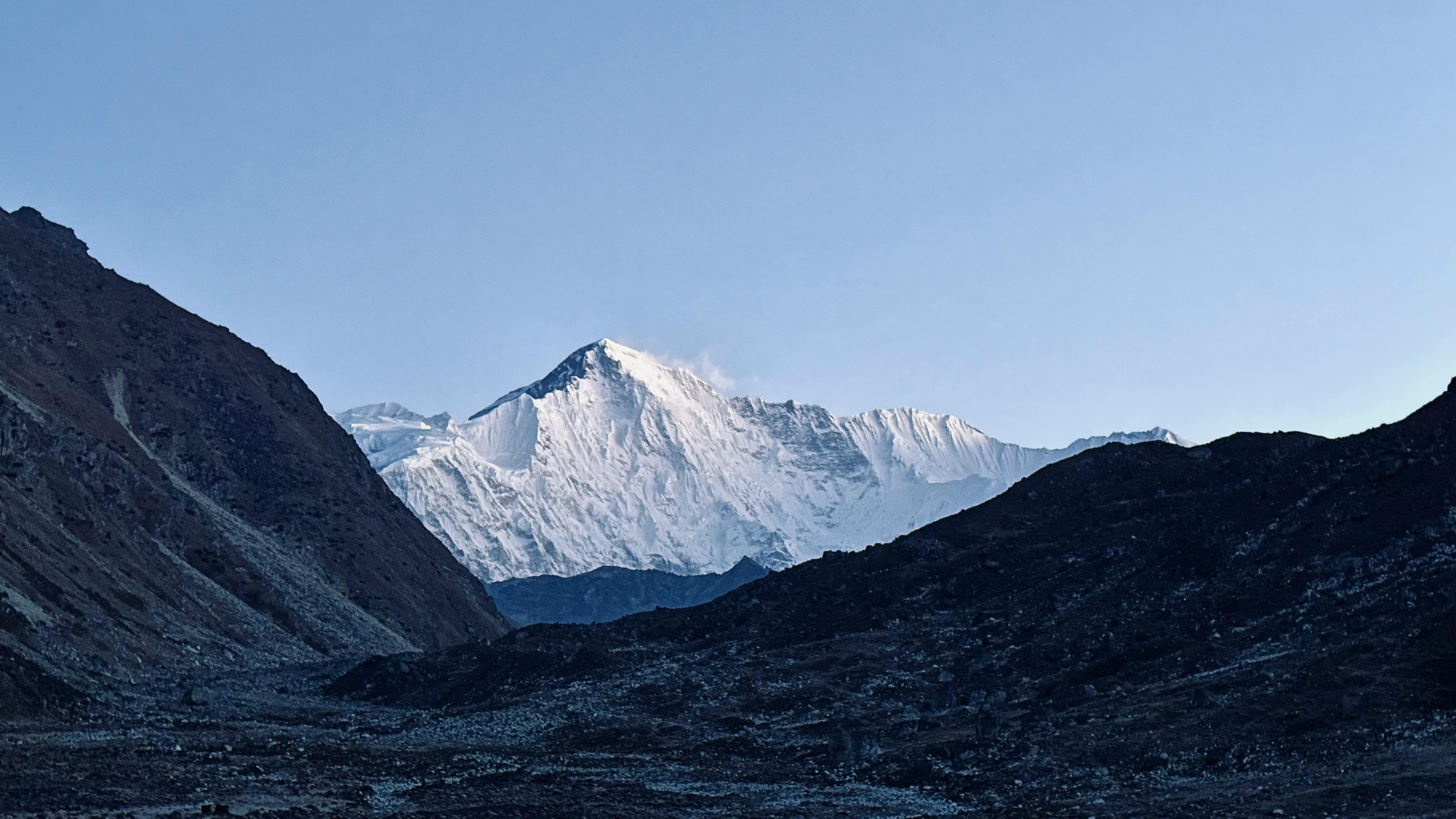

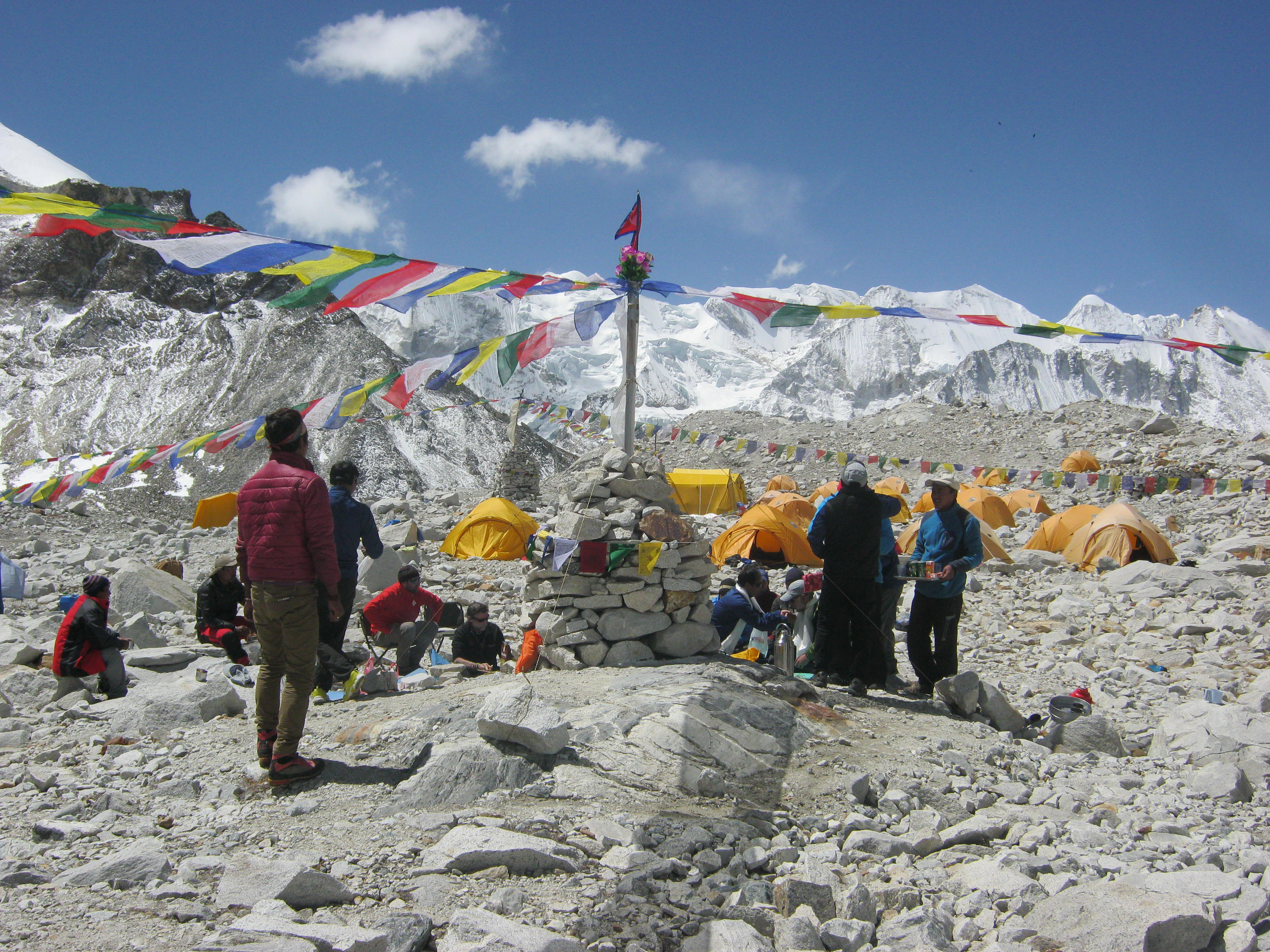
The Makalu Base Camp Trek via Baule Pass is one of Nepal’s most demanding and rewarding wilderness journeys, crafted for trekkers who seek isolation, raw mountain landscapes, and a true sense of expedition-style adventure. This remote trek leads deep into the eastern Himalayas, approaching the base of Mount Makalu (8,485 m), the fifth-highest mountain in the world, through a rarely traveled route that crosses the dramatic Baule Pass.
Unlike more established trekking corridors, this route remains wild and uncompromising. The trail moves through the heart of Makalu Barun National Park, a protected region known for its exceptional biodiversity and extreme contrasts in terrain. The journey begins in low, subtropical valleys filled with terraced farmland and dense forests, gradually climbing into alpine meadows, glacial moraines, and vast high-altitude basins surrounded by towering peaks.
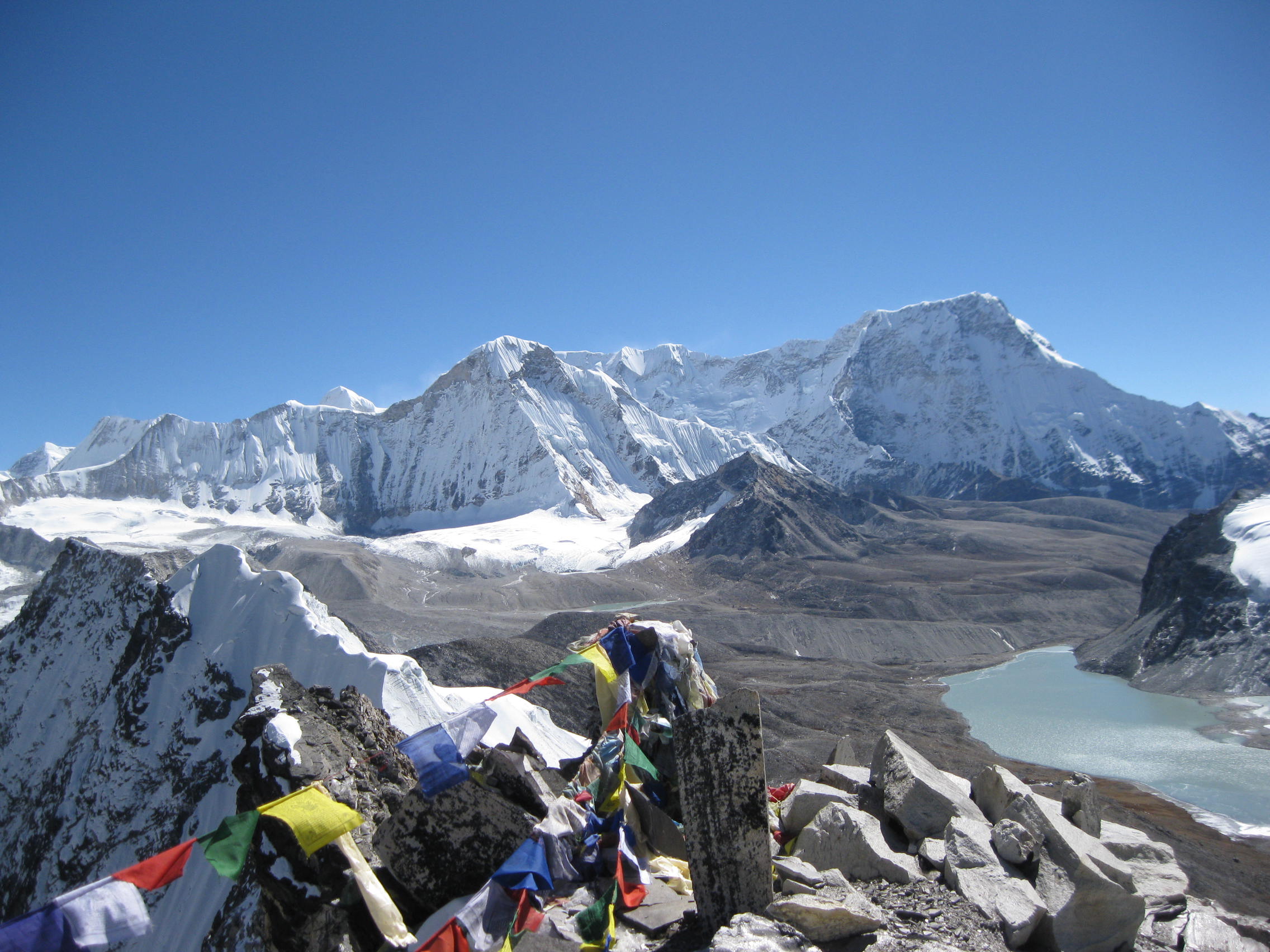
Crossing Baule Pass is a defining feature of this trek. The pass marks a dramatic transition from forested ridges to stark Himalayan wilderness, offering sweeping views of Makalu, Chamlang, Baruntse, and surrounding snowbound summits. From here, the landscape opens into the upper Barun Valley, a vast, windswept region shaped by glaciers, avalanches, and ancient ice flows. The approach to Makalu Base Camp is both physically demanding and visually overwhelming, with days spent walking beneath sheer rock walls, icefalls, and massive hanging glaciers.
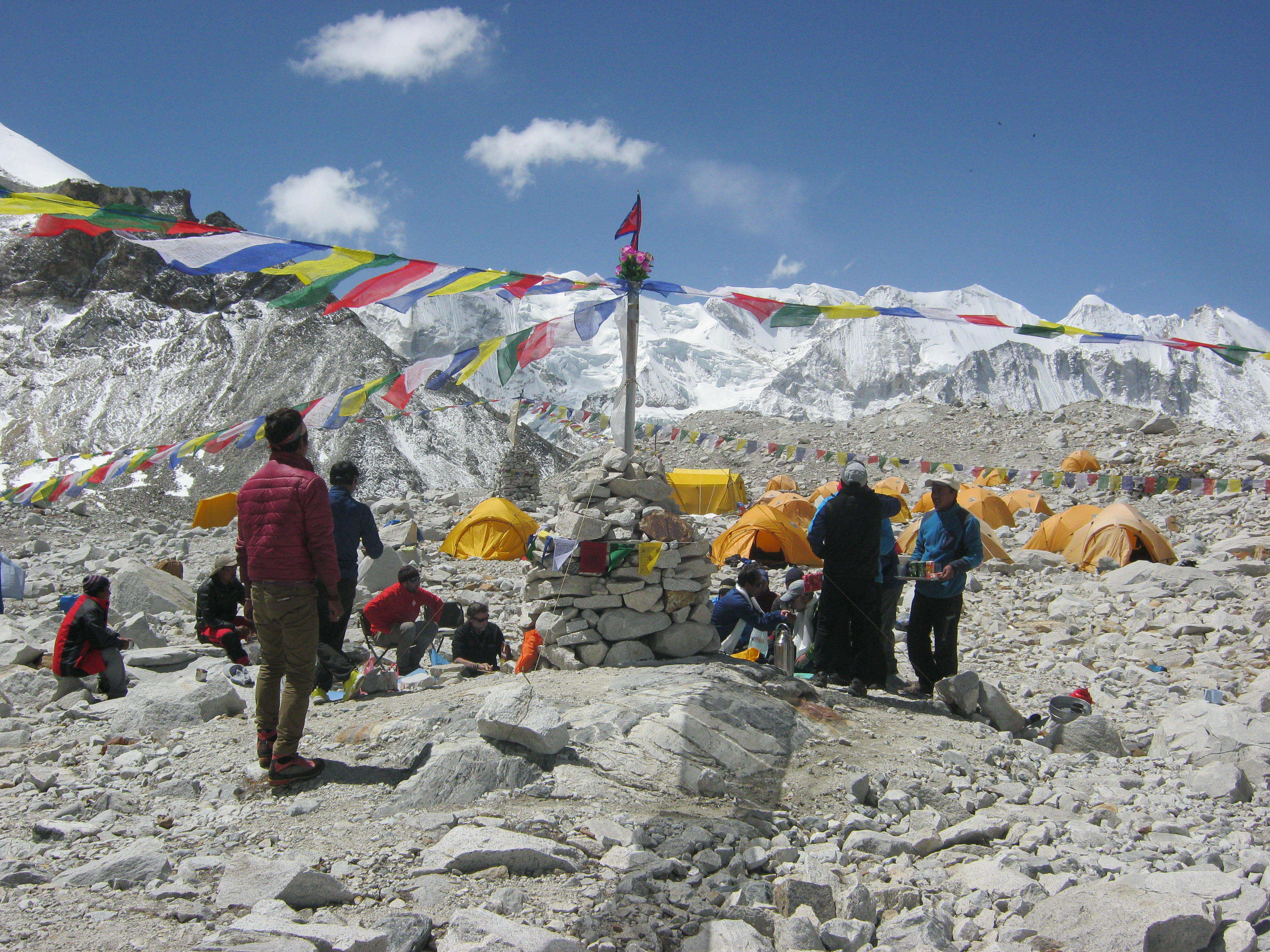
This trek follows a standard but rarely used Makalu Base Camp route, designed for proper acclimatization while maintaining the exploratory character of the region. Nights are spent in remote camps, far from settlements, where silence and scale define the experience. Cultural encounters are limited but meaningful, with visits to isolated Rai and Sherpa communities in the lower sections, where traditional farming lifestyles remain unchanged by modern trekking traffic.
The Makalu Base Camp Trek via Baule Pass is not a trek of comfort or convenience. It is a journey for seasoned trekkers who value solitude, challenge, and the privilege of walking through one of Nepal’s least disturbed mountain environments.
Trip Notes
Best Season to Trek
-
Spring (April–May): Stable weather, manageable snow on high passes, and blooming alpine vegetation in lower valleys
-
Autumn (September–October): Clear skies, dry conditions, and excellent mountain visibility
Monsoon season is not recommended due to heavy rainfall and landslide risk in lower sections.
Temperature Range (Low to High)
-
Lower valleys (1,000–2,000 m): 10°C to 25°C
-
Mid-altitude zones (2,500–3,500 m): 5°C to 15°C
-
High camps and Baule Pass (4,500–5,000 m):
-
Daytime: -2°C to 8°C
-
Nighttime: -10°C to -5°C
Temperatures can drop sharply in windy conditions, especially near the pass and base camp.
Trek Difficulty
-
Grade: Challenging
-
Long trekking days, steep ascents, and remote high-altitude terrain
-
Suitable only for trekkers with prior high-altitude and multi-week trekking experience
-
Strong physical fitness and mental endurance required
Maximum Elevation
-
Makalu Base Camp: approx. 4,870 meters
-
Baule Pass: approx. 4,900 meters
Trek Style and Accommodation
-
Fully supported camping trek
-
No permanent lodges beyond lower villages
-
All camping, kitchen, and logistics managed by Ticino Treks
Permits Required
-
Makalu Barun National Park Permit
-
TIMS Card (Trekkers’ Information Management System)
-
Makalu Rural Municipality Permit
(All permits arranged by Ticino Treks)
Acclimatization and Safety
-
Gradual altitude gain built into the standard route
-
Rest and acclimatization days included
-
Professional guides trained in high-altitude safety and emergency response
Who This Trek Is For?
-
Experienced trekkers seeking a remote Himalayan expedition
-
Those looking beyond classic trekking routes
-
Adventurers drawn to raw landscapes, silence, and scale
Why Trek Makalu Base Camp with Ticino Treks?
Ticino Treks specializes in complex, remote Himalayan routes where logistics, pacing, and local knowledge are critical. On the Makalu Base Camp Trek via Baule Pass, our focus is on safety, proper acclimatization, and delivering a genuine wilderness experience without compromising professionalism or environmental responsibility.