The Rolwaling Region is one of Nepal’s most remote and least explored trekking areas, offering a raw Himalayan experience for trekkers who value solitude, dramatic landscapes, and deep cultural authenticity. Tucked away between the Langtang region and the Everest area, the Rolwaling Valley follows the course of the Rolwaling Khola and is dominated by towering peaks, extensive glaciers, and high alpine terrain. This region remains largely untouched by mass tourism, making it a compelling choice for experienced trekkers seeking a quieter and more demanding journey.
Trekking in the Rolwaling region begins with an overland drive from Kathmandu to the eastern hill districts, entering valleys shaped by rivers, forests, and steep mountain walls. The trail climbs steadily through traditional villages such as Simigaon and Beding, home to Sherpa and Tamang communities whose culture reflects strong Tibetan Buddhist roots. Mani walls, prayer flags, chortens, and centuries-old monasteries are integral parts of the landscape, offering insight into a way of life closely tied to the mountains.
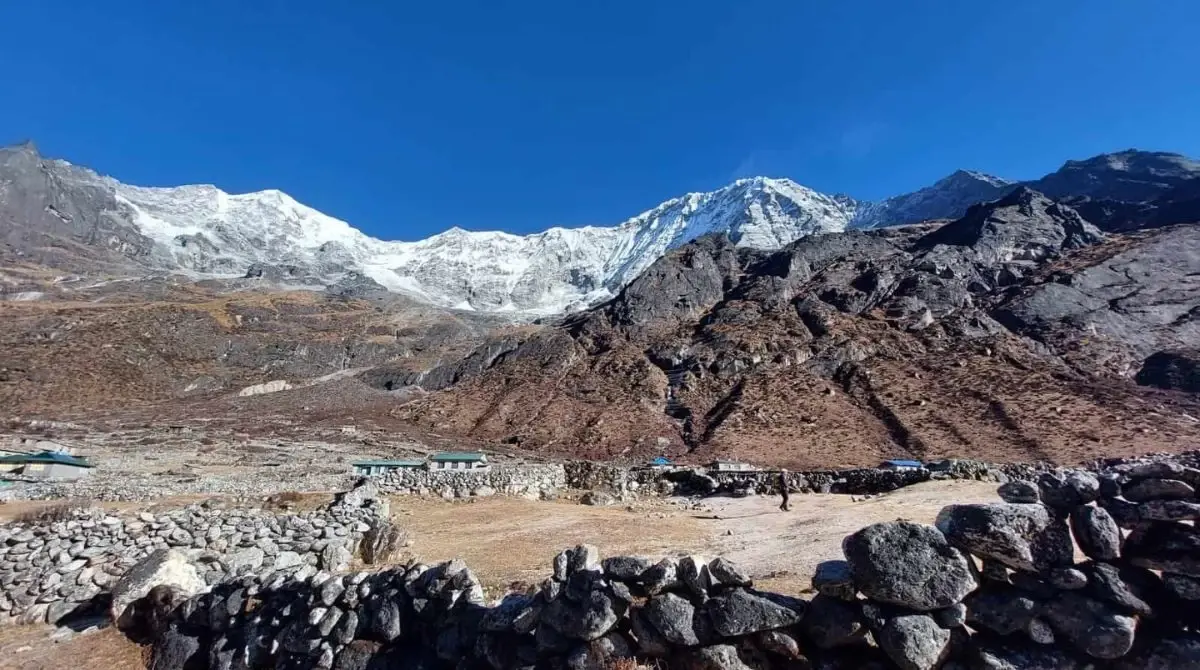
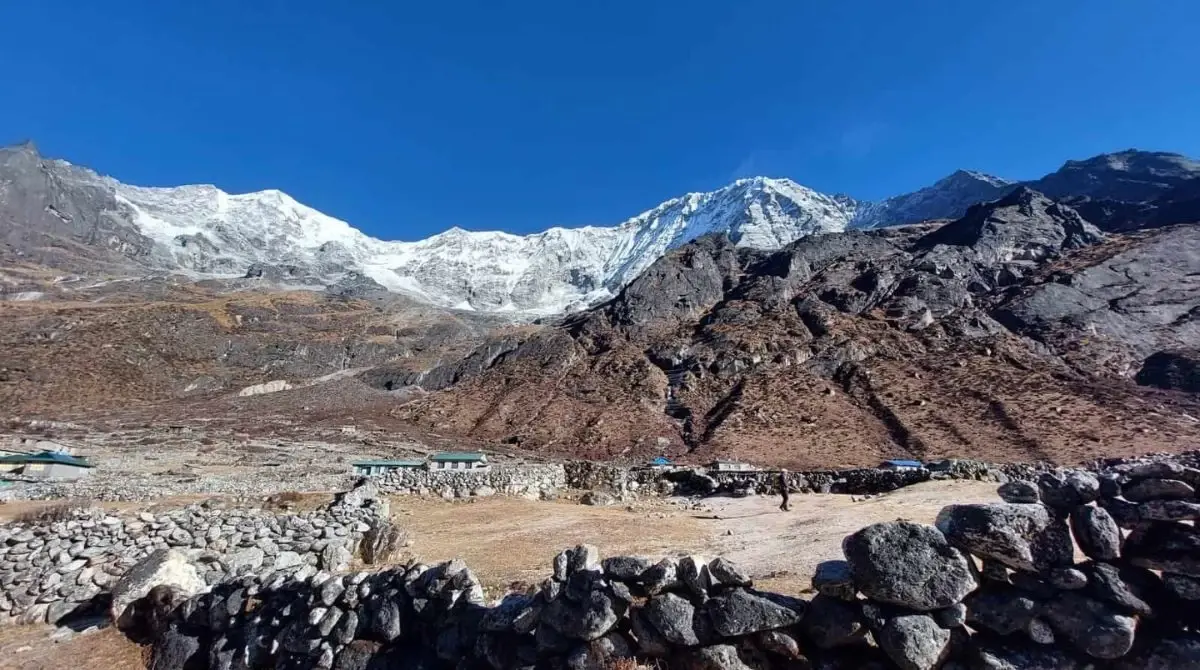
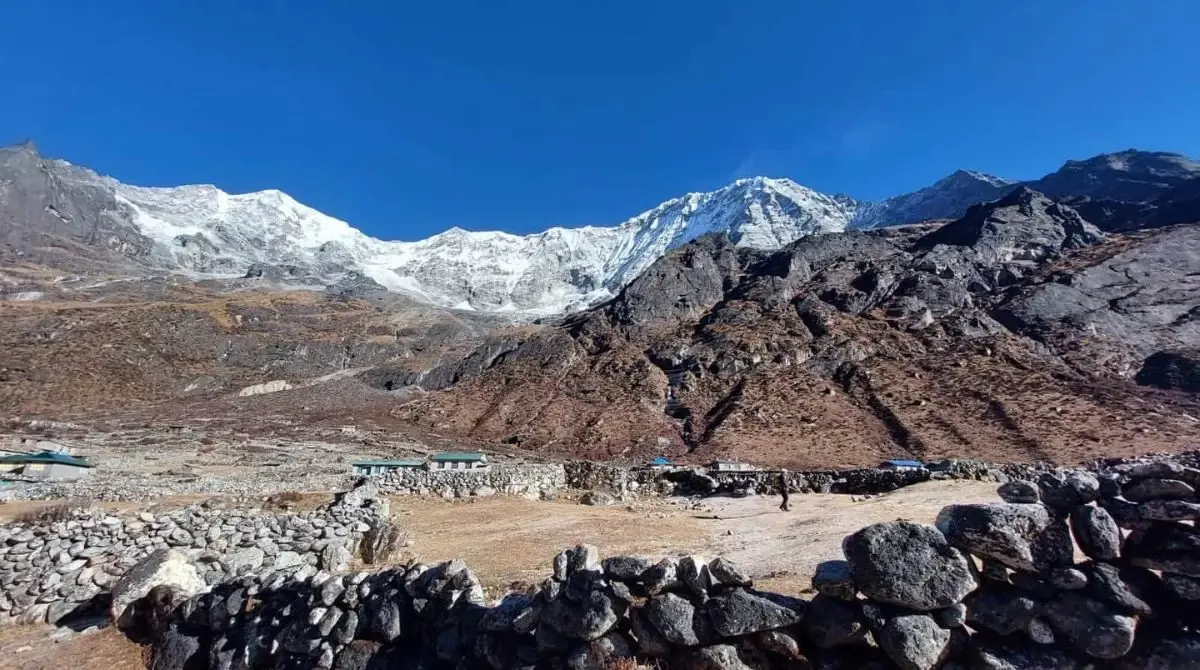
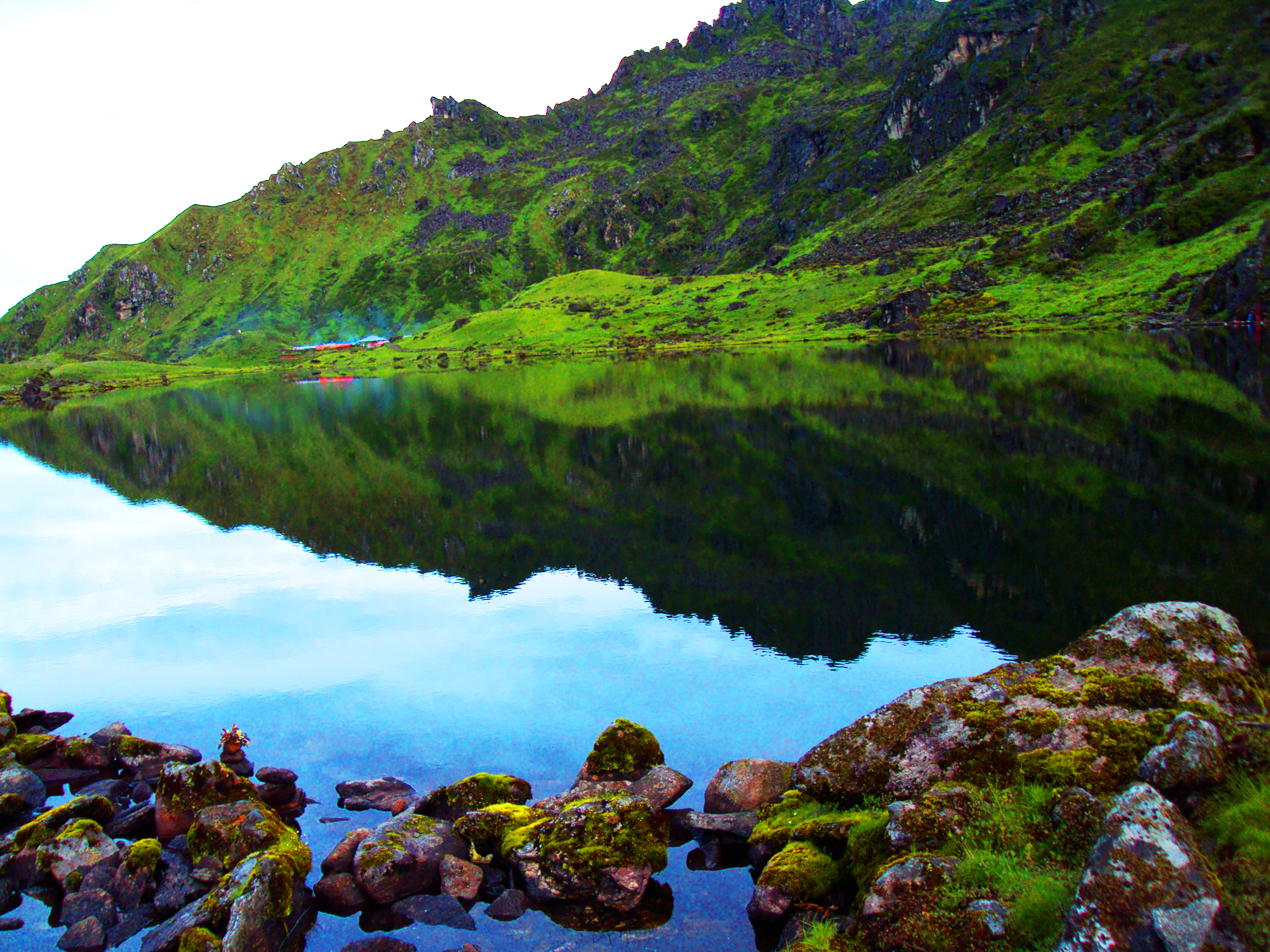
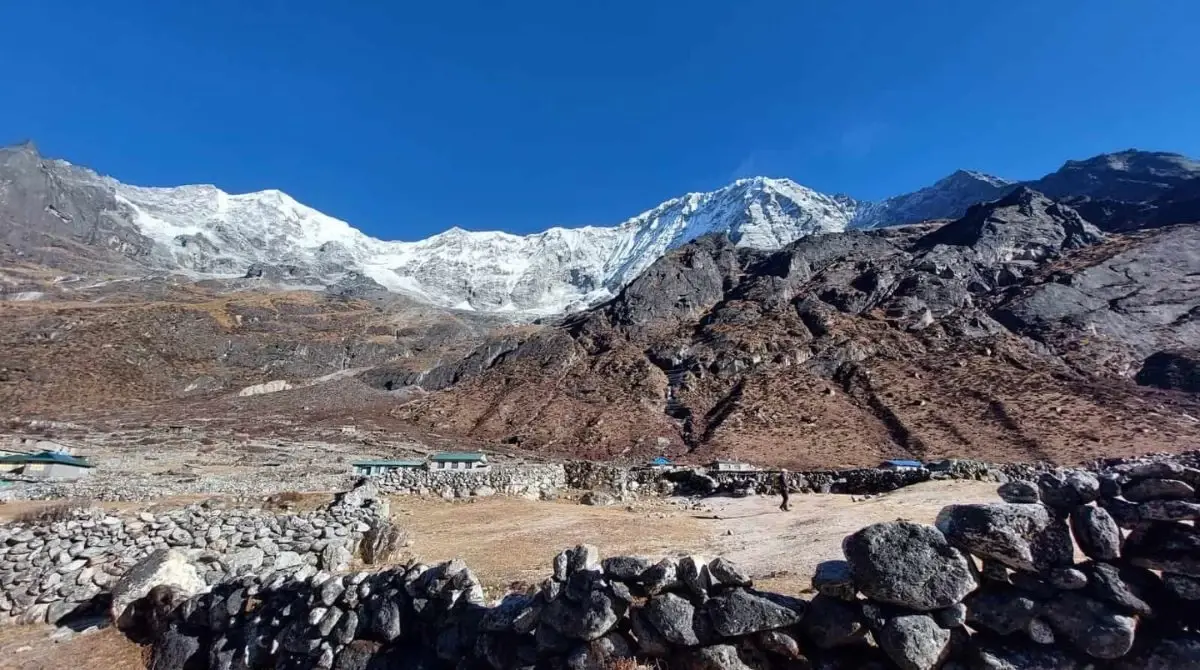
As the trek progresses, the terrain becomes increasingly alpine. Forests give way to open yak pastures, glacial moraines, and wide valleys enclosed by steep, ice-covered peaks. The region offers striking views of Gauri Shankar (7,134m), Melungtse, Yalung Ri, and other lesser-known Himalayan giants. One of the key highlights is Tsho Rolpa (4,580m), one of Nepal’s largest and most impressive glacial lakes, set beneath massive icefalls and snowfields.
Rolwaling treks are typically moderate to challenging, depending on the chosen itinerary. Many routes include long walking days and high elevations, and some advanced itineraries connect to the Everest region via Tashi Lapcha Pass, requiring mountaineering experience and technical skills. Even on standard Rolwaling Valley treks, good physical fitness and prior high-altitude trekking experience are strongly recommended.
Temperature conditions vary widely due to elevation. In spring and autumn, daytime temperatures range from 10°C to 18°C in lower valleys and 5°C to 12°C at higher settlements such as Beding and Na. Night temperatures often drop to -5°C to 2°C above 4,000 meters. Winter trekking is extremely cold, while summer months are warmer but affected by monsoon rains in lower sections.
The best seasons for Rolwaling trekking are spring (April–May), when snow conditions stabilize at higher elevations, and autumn (September–October), known for clear skies and excellent mountain visibility. Due to the region’s remoteness, trekking here often involves a mix of teahouse lodging in lower areas and camping in higher sections.
Rolwaling Region trekking is best suited for trekkers who are prepared for limited infrastructure, longer days, and a true wilderness setting. Curated by Ticino Treks, these journeys focus on safety, acclimatization, and cultural respect, offering an exceptional opportunity to explore one of Nepal’s most isolated Himalayan valleys.