The Panch Pokhari Trek is a remote and spiritually significant Himalayan journey in the eastern hills of Nepal, offering solitude, cultural depth, and high-altitude alpine scenery far from crowded trekking corridors. Crafted by Ticino Treks along the standard Panch Pokhari route, this itinerary is ideal for trekkers seeking a quieter trail that blends pilgrimage heritage with rugged mountain landscapes.
The journey begins with a scenic drive from Kathmandu to Chautara (1,450m), gradually leaving the busy valley behind and entering rural hill country shaped by terraced farms, forested slopes, and river valleys. From Chautara, the trek unfolds steadily through traditional settlements such as Okhreni and Kami Kharka, where daily life revolves around farming, livestock, and seasonal movement. These early days pass through mixed forests of pine, oak, and rhododendron, with open ridges offering expansive views of rolling hills and distant Himalayan ranges.
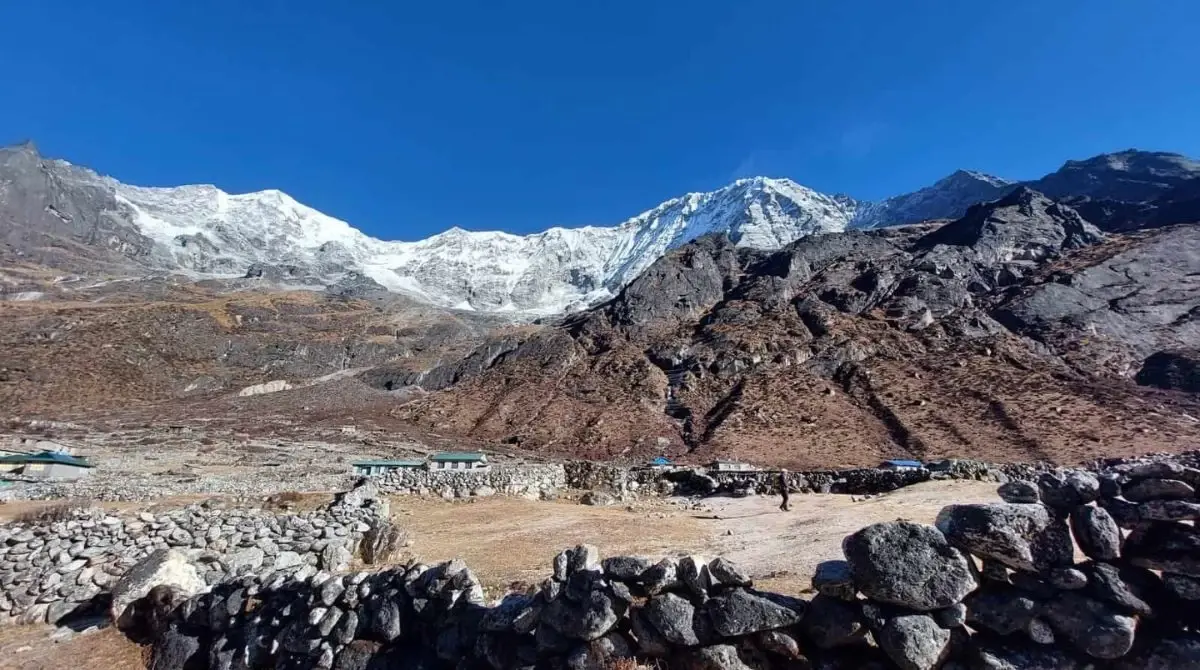
As the trail climbs higher toward Pauwa Bas and Hile Bhanjyang, the landscape becomes more alpine and isolated. Tree lines thin out, giving way to high pastures and windswept ridges used by local herders during summer months. The approach to Nasim Pati (3,700m) marks a clear transition into high-mountain terrain, with crisp air, vast skies, and long views stretching toward the Jugal Himal and surrounding peaks.
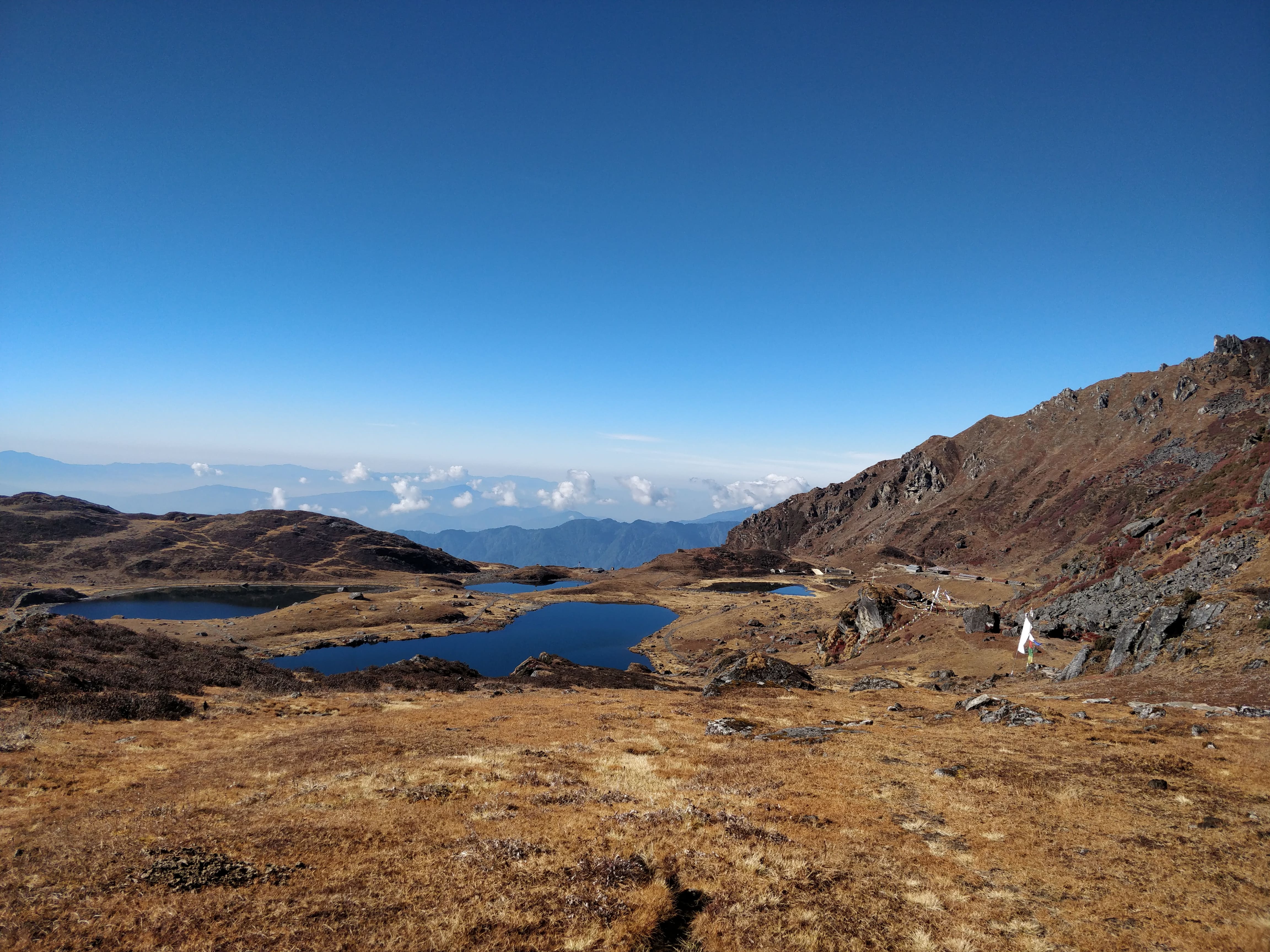
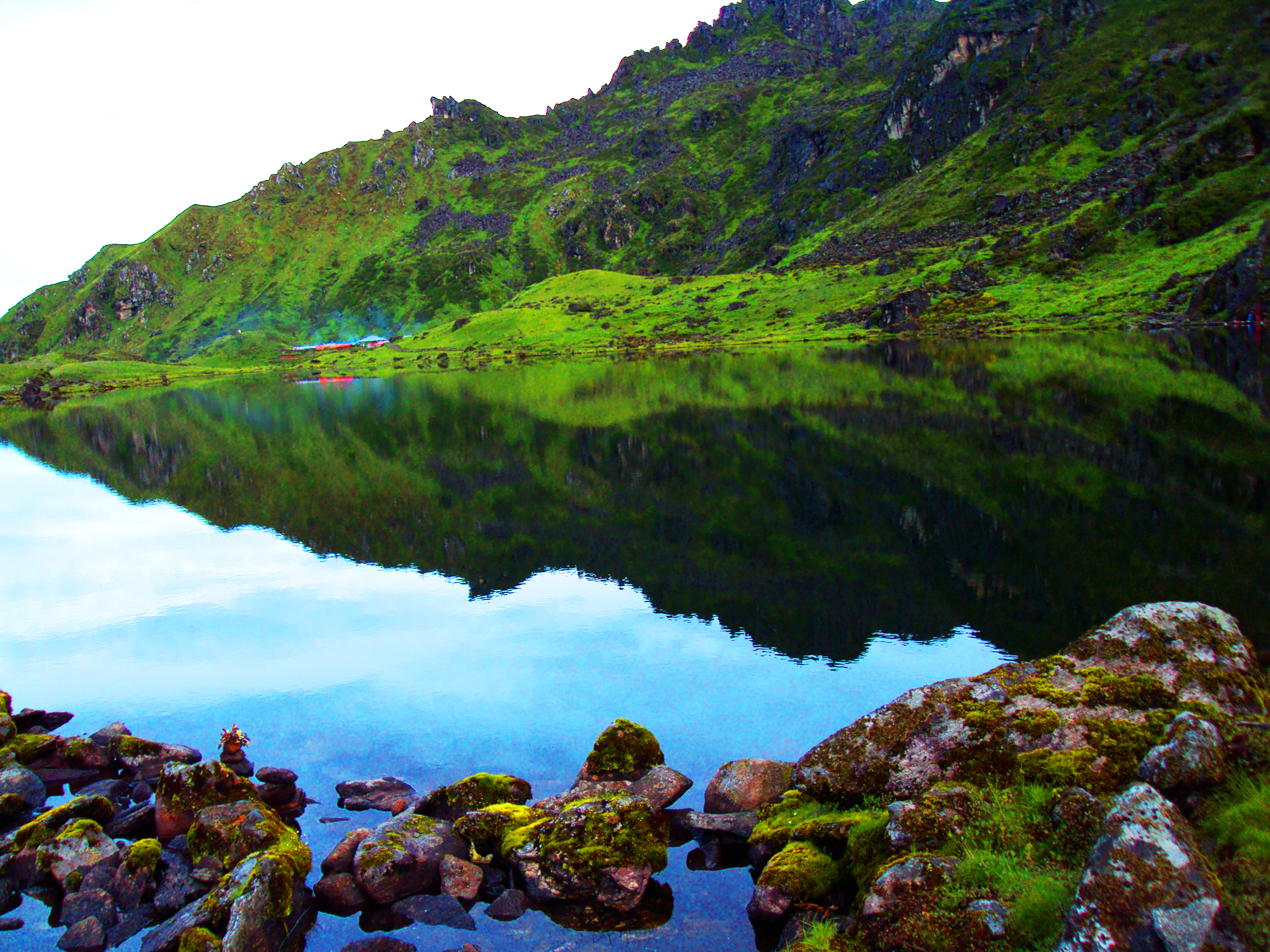
The highlight of the trek is reaching Panch Pokhari (4,100m), a sacred cluster of five alpine lakes revered by both Hindus and Buddhists. Nestled beneath barren ridgelines and rocky slopes, the lakes hold deep religious significance, especially during the Janai Purnima festival. Even outside pilgrimage periods, Panch Pokhari offers a powerful sense of stillness and remoteness, with clear reflections of the sky and surrounding mountains shimmering on the lake surfaces.
After time at the lakes, the route retraces back to Nasim Pati before descending through forested trails and scattered villages toward Dukhang, Dhap, and Melamchi Bazaar. The descent brings a gradual return to warmer climates, cultivated land, and busier settlements, closing the trek with a scenic drive back to Kathmandu.
The Panch Pokhari Trek is graded as moderate, suitable for trekkers with good physical fitness and comfort on multi-day hikes. Daily walking hours generally range from 5 to 7 hours, with sustained ascents during the middle section of the trek. No technical skills are required, but the remote nature of the trail demands preparedness and steady pacing.
Temperature conditions vary widely with elevation and season. During spring and autumn, daytime temperatures range from 18°C to 22°C in lower areas such as Chautara and Melamchi, while higher elevations near Nasim Pati and Panch Pokhari range between 6°C and 12°C. Night temperatures at high camps can drop to -5°C to 0°C. Winter brings heavy cold and snow at higher elevations, while summer months are warmer but may include rain in lower sections.
The best seasons to trek are spring (March–May), when forests are green and trails are quiet, and autumn (September–November), offering stable weather, clear skies, and the best mountain visibility.
Combining sacred alpine landscapes, remote trails, and traditional hill communities, the Panch Pokhari Trek is a rewarding choice for trekkers who value depth and solitude over busy routes. Guided and organized by Ticino Treks, this 13-day journey offers a meaningful exploration of one of Nepal’s lesser-known yet culturally important trekking regions.