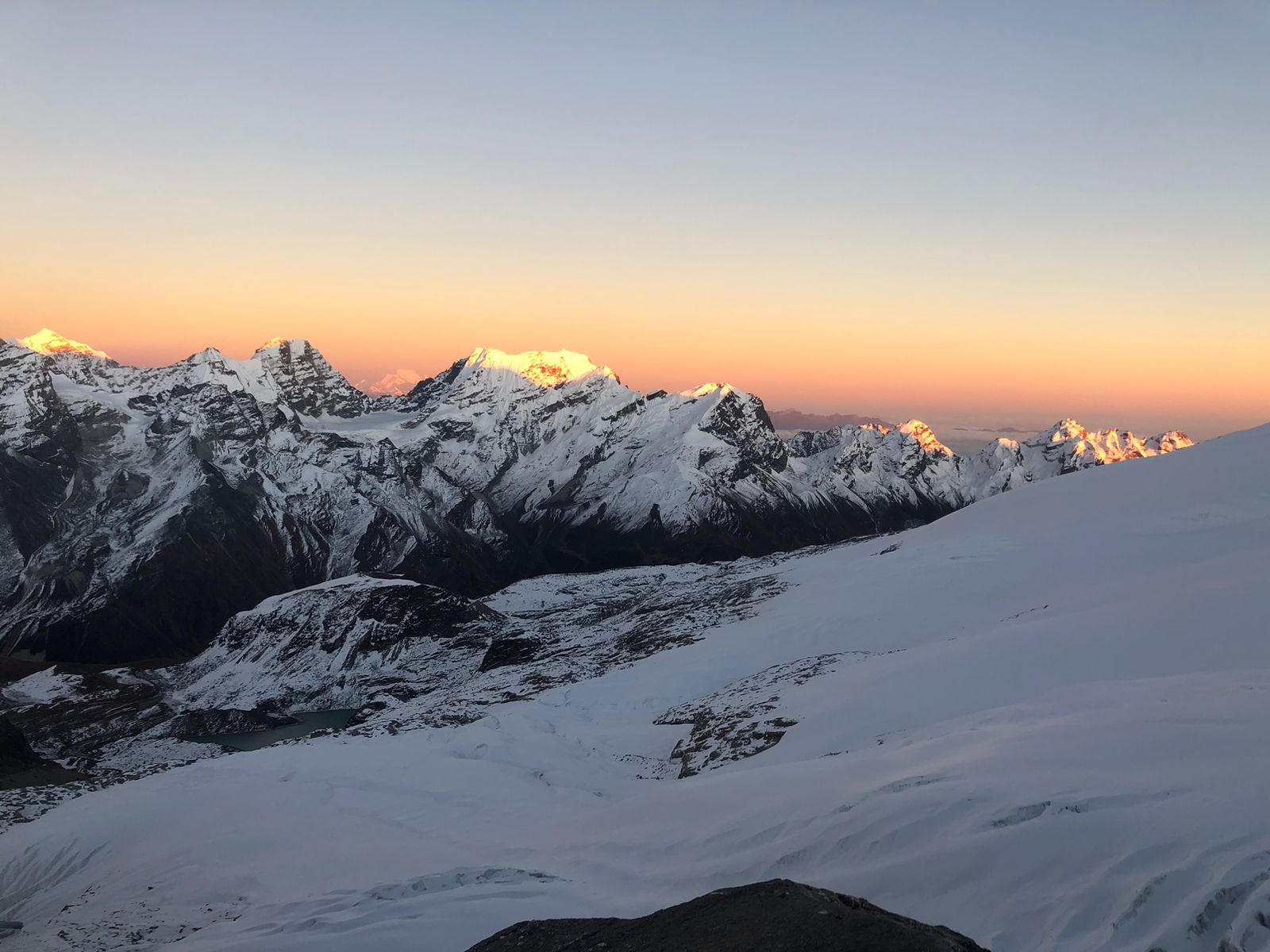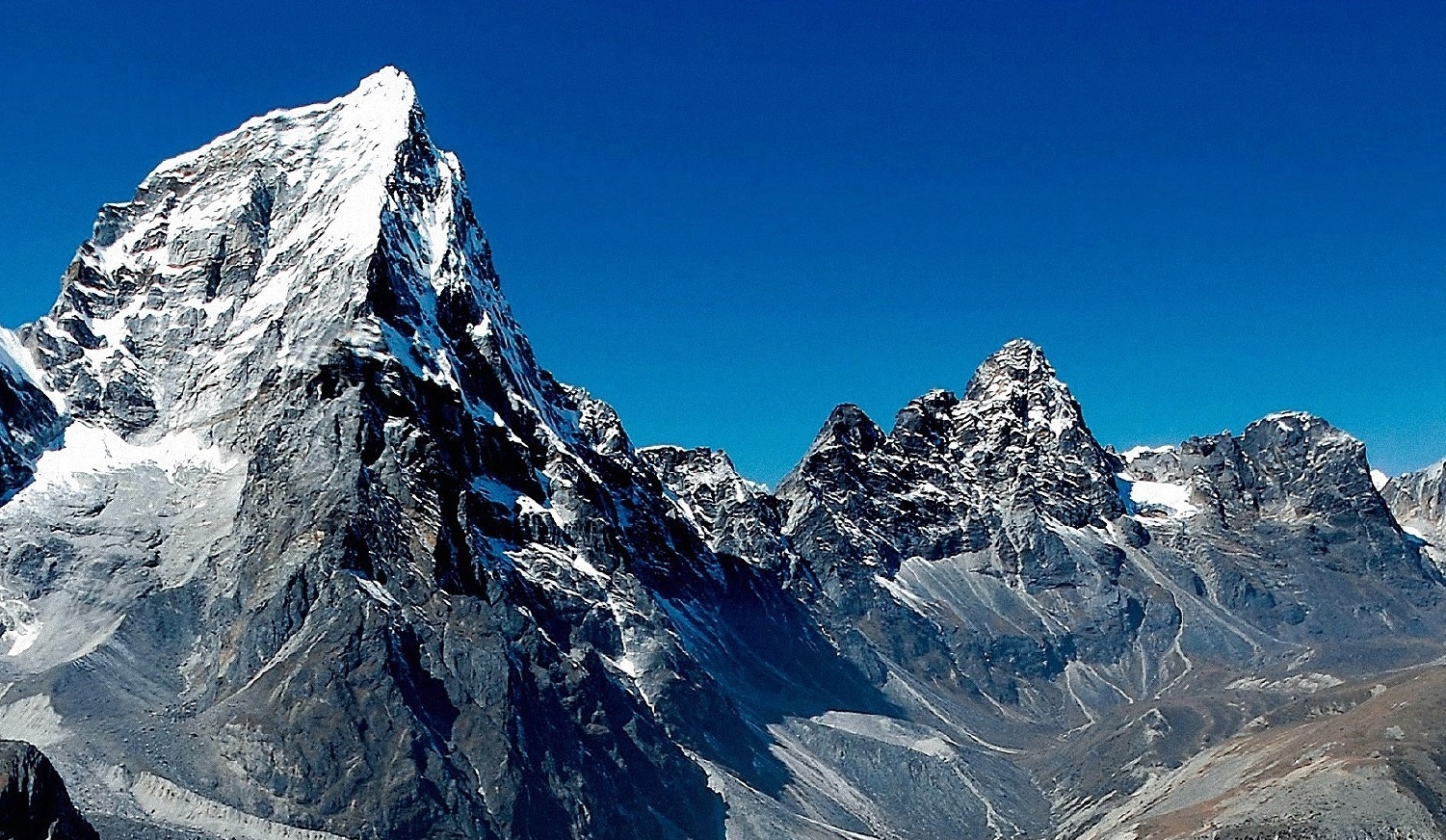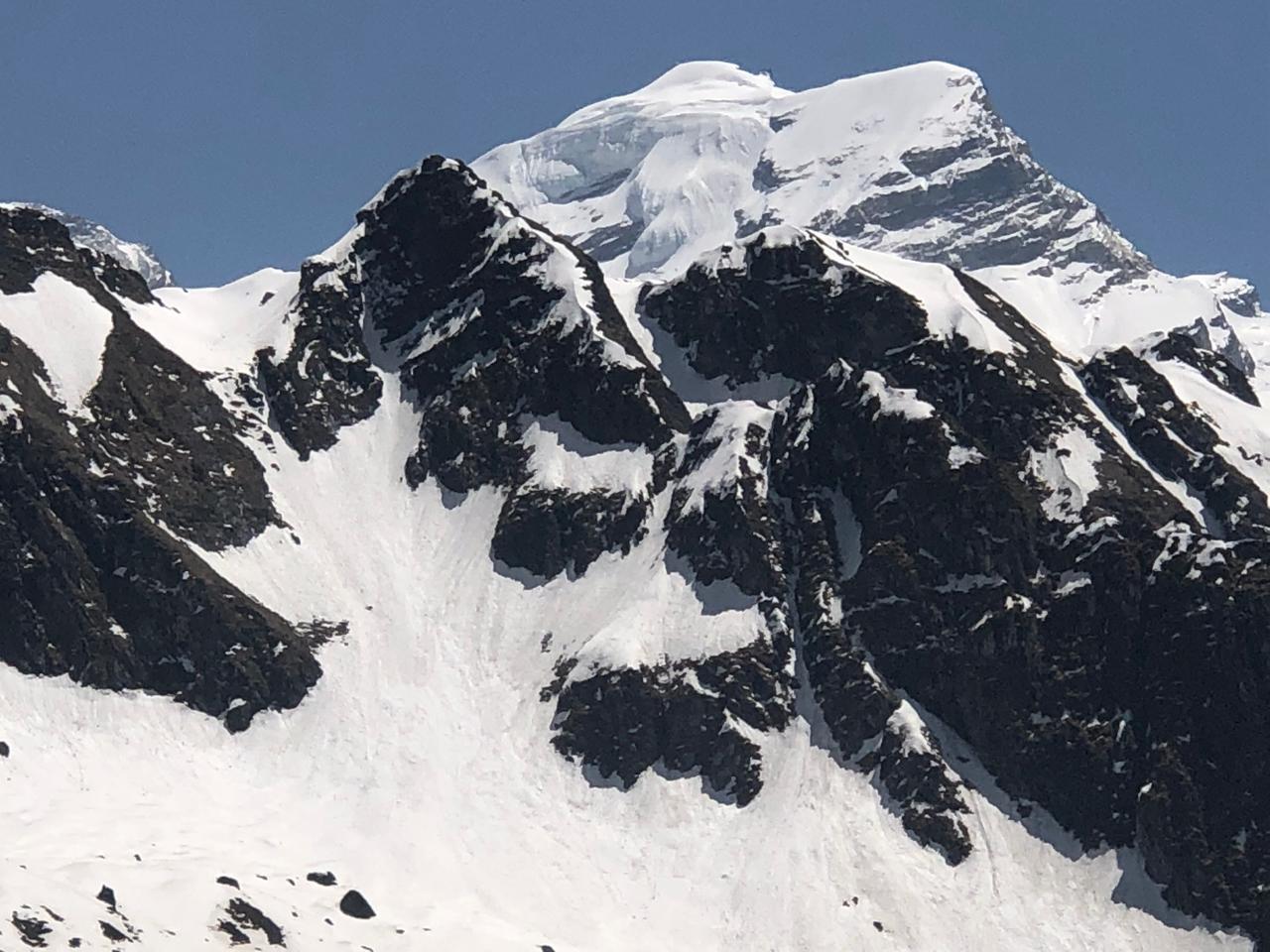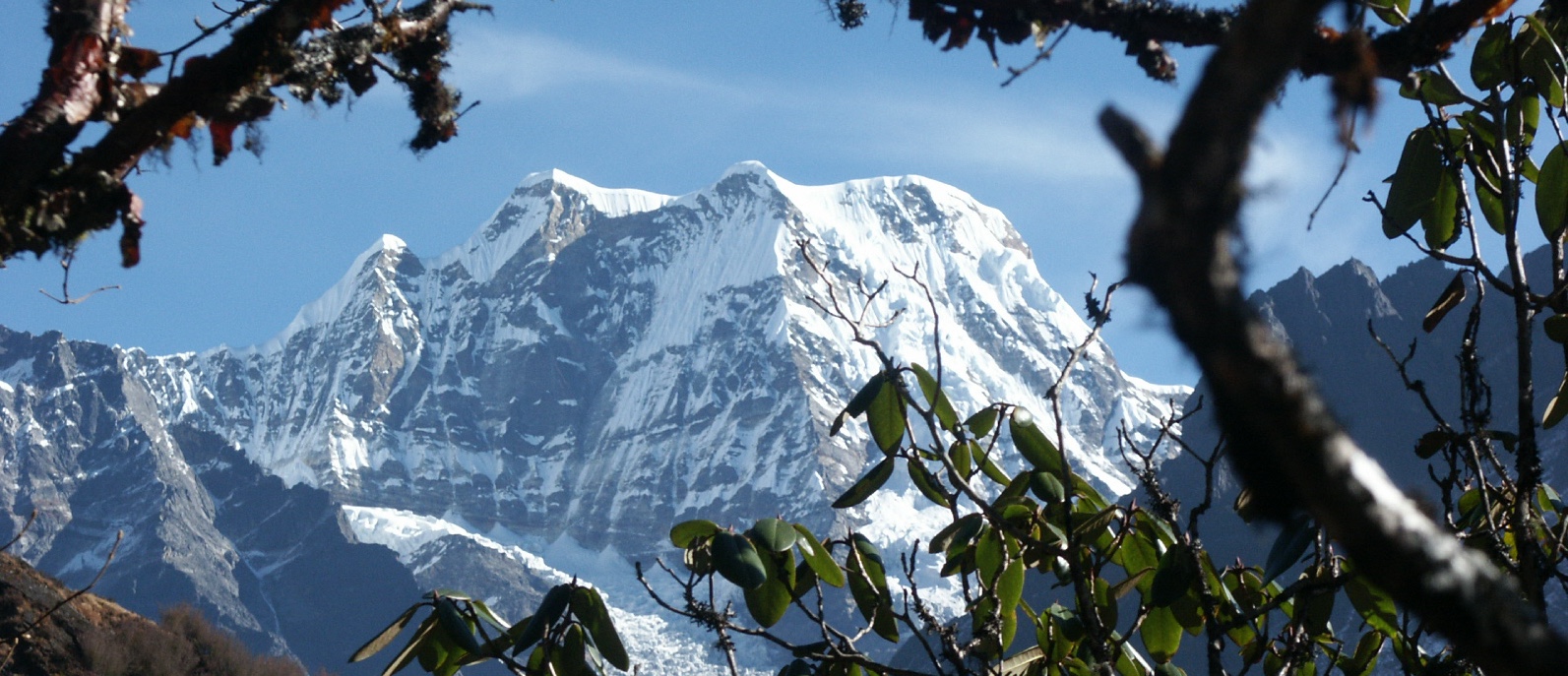

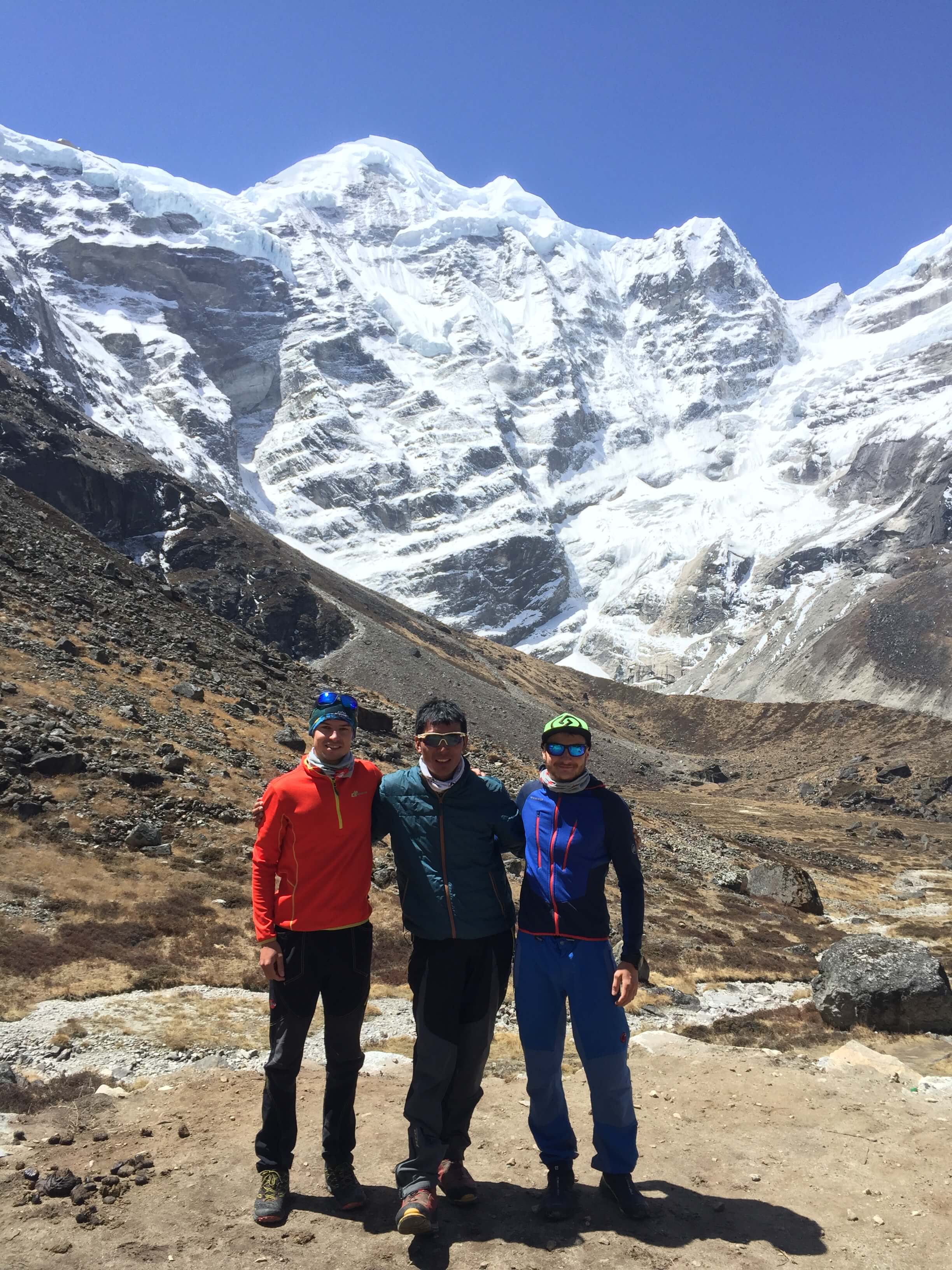
Mera Peak, standing at 6,654 meters, is the highest trekking peak in Nepal and one of the most popular peak climbing destinations in the Everest region. Located in the remote Hinku Valley of the Sagarmatha Zone, Mera Peak climbing is ideal for trekkers who want to experience high-altitude mountaineering without technical difficulty.
First climbed on May 20, 1953, Mera Peak is known for its gradual ascent and non-technical route. However, the climb should not be underestimated. The primary challenge is altitude, and proper acclimatization is essential for a safe and successful summit. The journey to Mera Peak passes through rhododendron forests, alpine landscapes, and traditional villages, offering a quieter alternative to the main Everest trails.
From the summit of Mera Peak, climbers are rewarded with one of the most expansive views in the Himalayas. The panorama includes five of the world’s highest mountains: Mount Everest, Makalu, Kanchenjunga, Cho Oyu, and Lhotse. This combination of accessibility and unmatched scenery makes Mera Peak one of the finest trekking peaks in Nepal.
Amphu Laptsa Pass Trek
The Amphu Laptsa Pass trek is a challenging high-altitude adventure that connects the Hinku Valley with the Everest (Khumbu) region. This demanding pass crossing is recommended for experienced trekkers seeking a route that blends trekking with basic mountaineering skills. Snow slopes, steep sections, and glacier travel often require the use of fixed ropes, ice axe, and crampons.
Unlike standard trekking routes, the Amphu Laptsa Pass offers the feel of a classic Himalayan expedition. The trail leads through remote valleys, dramatic glacial terrain, and less-visited mountain landscapes. Along the way, trekkers encounter ancient monasteries, historic Sherpa settlements, and a strong sense of traditional Himalayan culture.
The combination of physical challenge, cultural depth, and raw mountain scenery makes the Amphu Laptsa Pass one of the most rewarding high passes in Nepal for serious trekkers.
Chukung Valley and Dingboche Area
Dingboche is a key high-altitude village in the Everest region and serves as an important acclimatization stop for trekkers and climbers. From Dingboche, several routes lead into the Chukung Valley, a wide alpine valley located east of the main Everest trail. This area is commonly used as a base for climbs such as Island Peak and Lhotse.
Chukung Valley offers outstanding mountain views in every direction. Prominent peaks visible from the valley include Lhotse, Ama Dablam, Makalu, Baruntse, and Island Peak. The landscape is characterized by glacial moraines, high-altitude yak pastures, and open Himalayan terrain, making it an ideal place for acclimatization hikes and exploration.
For trekkers traveling with Ticino Treks Nepal, the Dingboche and Chukung region provides both scenic beauty and practical preparation for higher elevations deeper in the Khumbu.