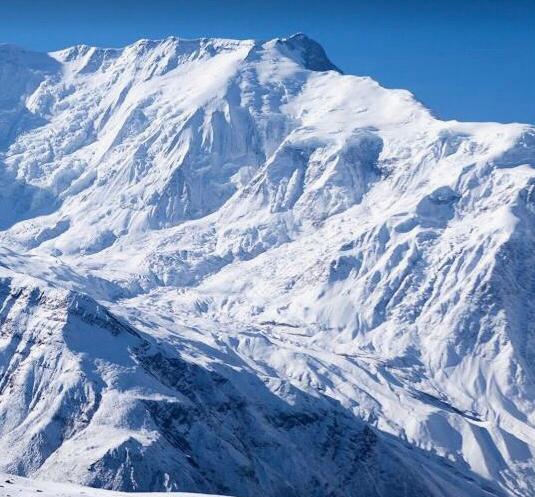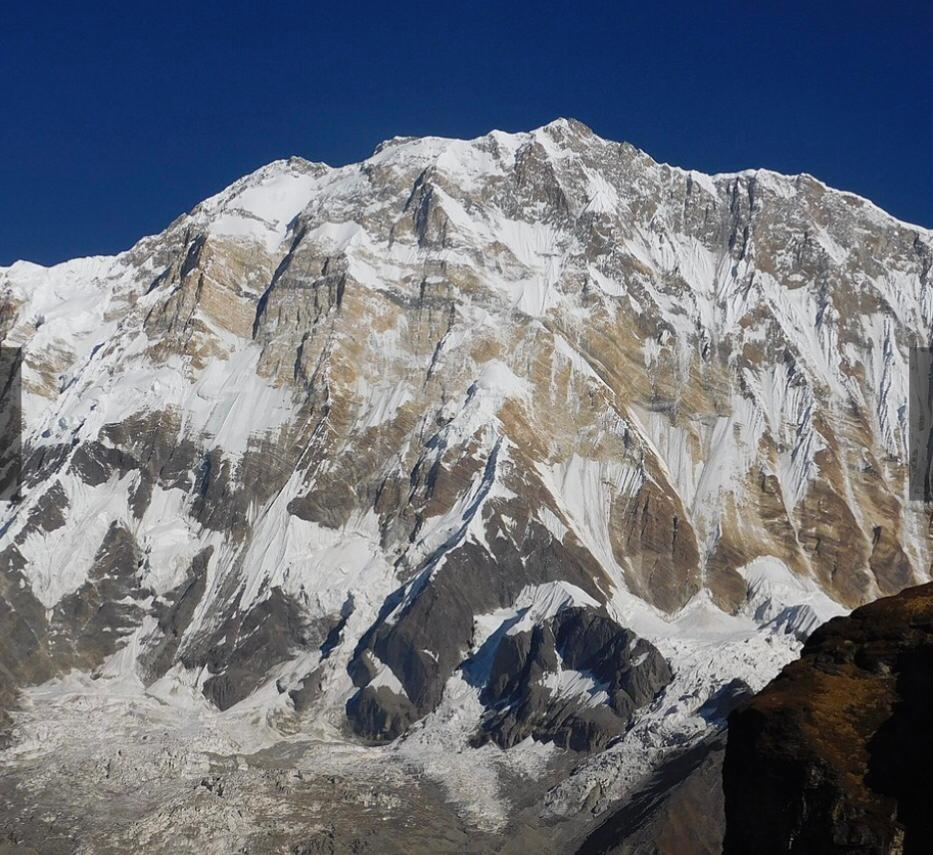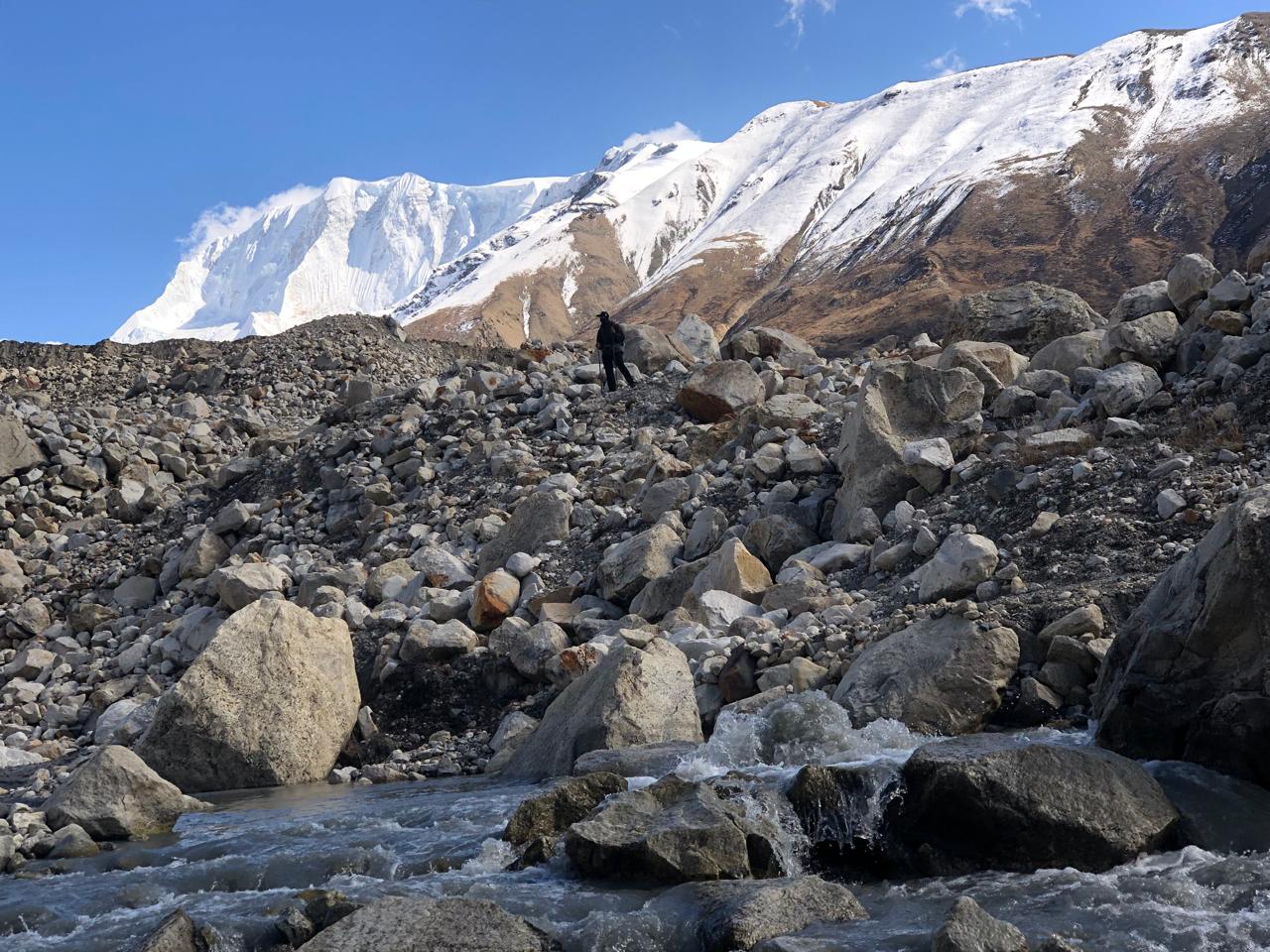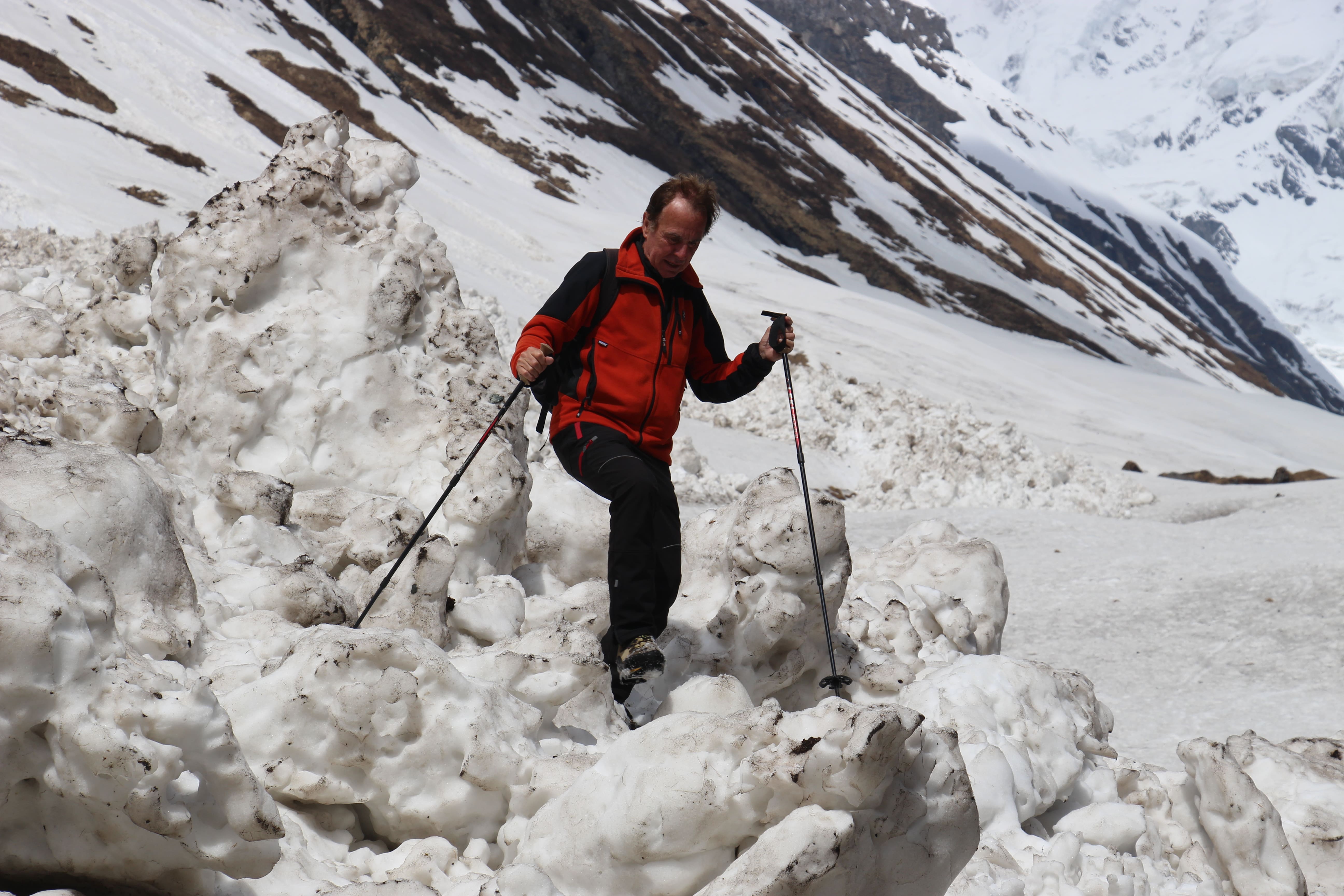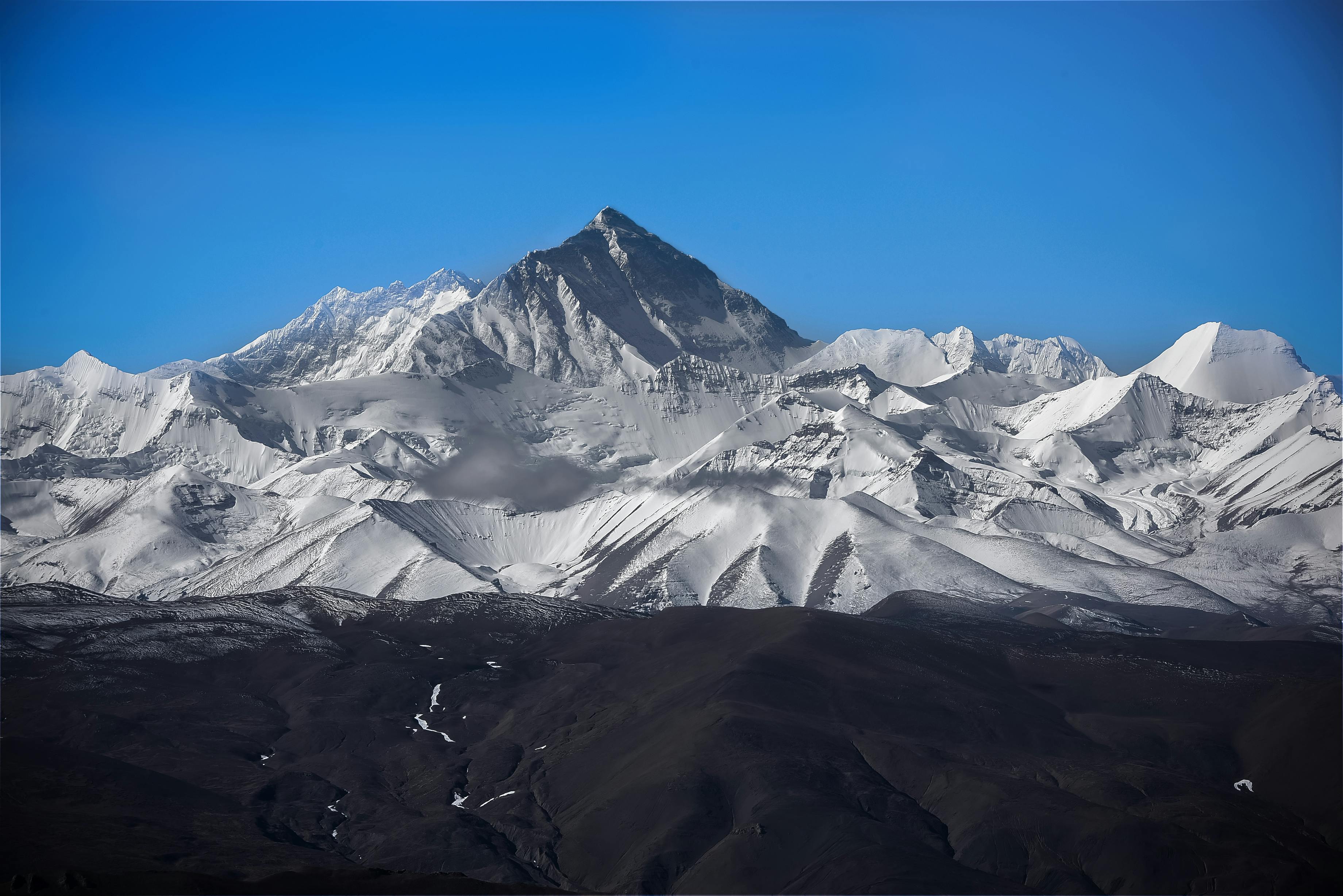

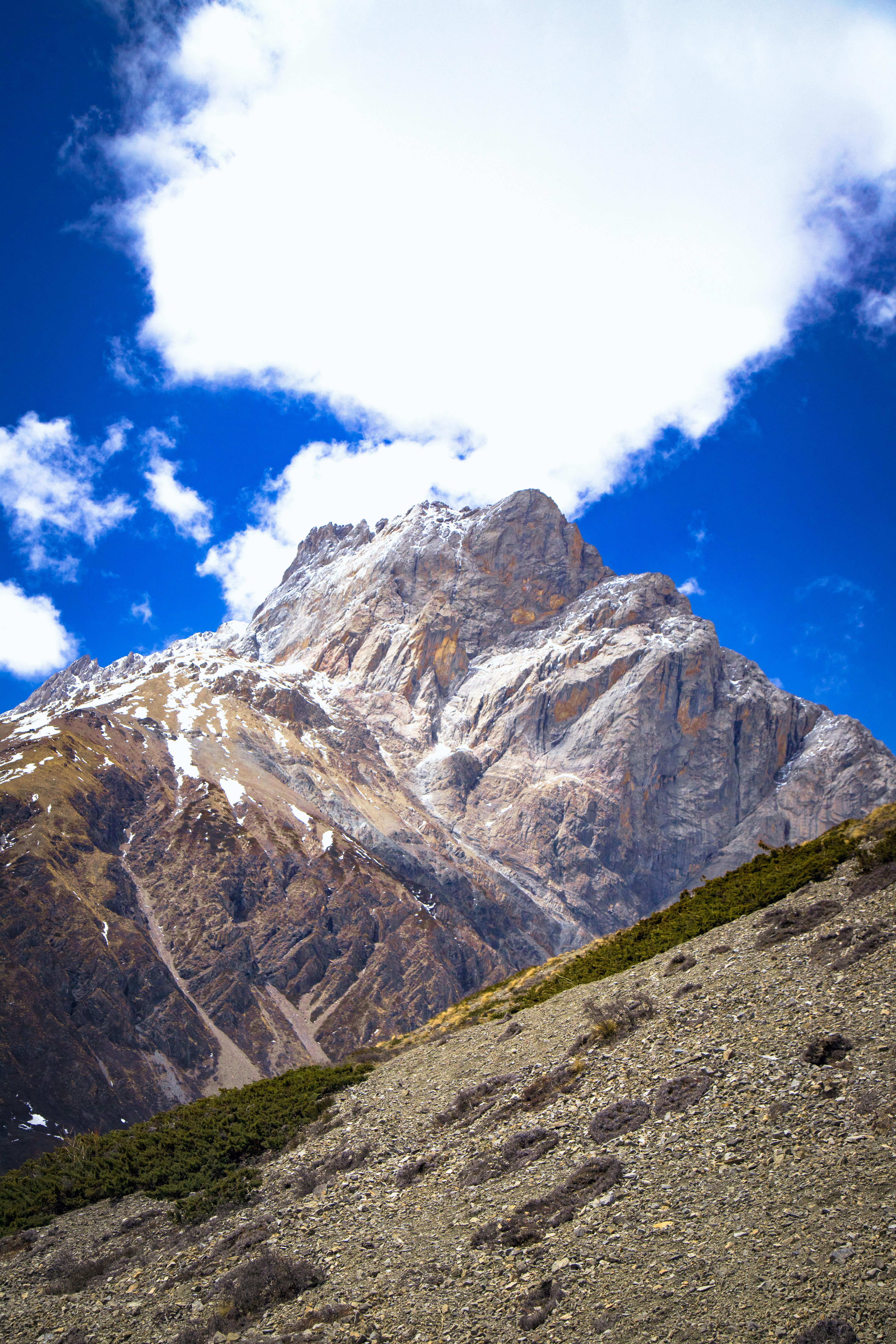
The Annapurna Circuit Trek is one of Nepal’s most iconic long-distance treks, celebrated for its extraordinary variation in landscape, climate, and culture. Following the standard Annapurna Circuit route, this 18-day journey encircles the Annapurna Massif and takes trekkers through some of the most diverse terrain found anywhere in the Himalayas. From subtropical river valleys to arid trans-Himalayan plateaus, the trek delivers constant change and sustained adventure.
The journey begins in the Marsyangdi Valley, where the climate is warm and vegetation is lush. In these lower sections, daytime temperatures generally range between 18°C and 25°C, making for comfortable walking conditions. As the trail gains altitude through villages such as Chame and Pisang, pine forests and alpine terrain replace farmland, and temperatures cool to around 10°C to 15°C during the day, with colder nights.
One of the defining challenges of the Annapurna Circuit is the crossing of Thorong La Pass at 5,416 meters, the highest point of the trek. This section follows the traditional route via Manang and Thorong Phedi, allowing proper acclimatization before the ascent. At higher elevations, daytime temperatures typically range from 0°C to 5°C, while early morning temperatures at the pass can fall to -10°C to -15°C, particularly during autumn. Reaching the top of Thorong La offers sweeping views across the Annapurna and Dhaulagiri ranges and a deep sense of achievement.
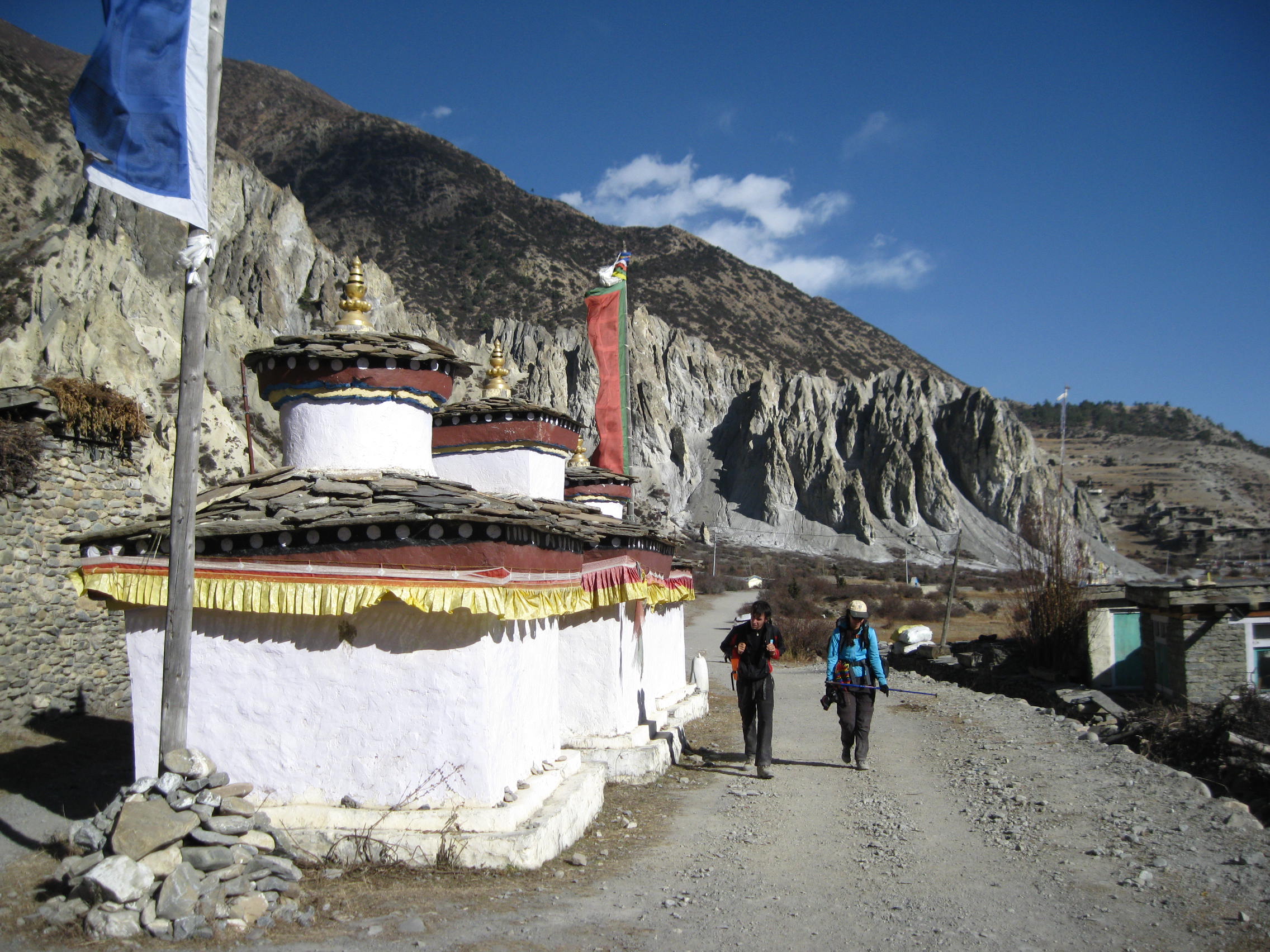
Throughout the trek, the scenery shifts dramatically. Deep river gorges give way to open alpine valleys, glacial basins, and wind-sculpted landscapes near the Tibetan border. Along the way, trekkers pass through villages inhabited by Gurung, Thakali, and Tibetan-influenced communities. Stone houses, prayer flags, monasteries, and chortens reflect centuries of mountain culture and Buddhist tradition.
The standard Annapurna Circuit route includes several notable highlights beyond the main pass crossing. A side trip to Tilicho Lake at 4,919 meters leads into a stark alpine environment beneath towering glaciers. In this area, daytime temperatures usually range from 5°C to 10°C, with freezing nights. Later in the trek, a stop at Tatopani provides a welcome chance to relax in natural hot springs, where the warmer lower-altitude climate brings daytime temperatures back to 20°C or more.
The trek concludes with a final ascent to Poon Hill at 3,193 meters. From here, trekkers enjoy a wide Himalayan sunrise view over Annapurna I, Dhaulagiri, Machhapuchhre, and surrounding peaks. Daytime temperatures at this elevation typically range between 10°C and 18°C, making it a comfortable and rewarding finale before descending toward Pokhara.
With its blend of physical challenge, cultural depth, and ever-changing scenery, the Annapurna Circuit Trek remains a benchmark Himalayan journey. Ticino Treks operates this trek along the standard route, with careful attention to acclimatization, seasonal conditions, and experienced local guidance.
Trip Notes
Best Season to Travel
-
Spring (March to May): Daytime temperatures range from 10°C to 22°C, blooming rhododendrons in lower sections, and generally stable weather
-
Autumn (September to November): Clear skies, dry trails, and daytime temperatures between 8°C and 20°C, with colder mornings at high altitude
Temperature Range (Approximate)
-
Lower valleys: 18°C to 25°C during the day
-
Mid-altitude villages (Manang region): 10°C to 15°C during the day
-
High altitude and Thorong La Pass: 0°C to 5°C during the day, down to -15°C in early morning
-
Lower Mustang and Poon Hill: 10°C to 20°C during the day
Trekking Grade
-
Moderate to Challenging
-
Suitable for trekkers with good physical fitness and prior multi-day hiking experience
-
Daily walking duration: 5 to 8 hours
-
Proper acclimatization days included
Maximum Elevation
-
Thorong La Pass: 5,416 meters
Accommodation
-
Teahouse lodges throughout the trek
-
Hotel accommodation in Kathmandu and Pokhara (standard 3-star or as per package)
Meals
-
Three meals daily during trekking days
-
Breakfast included in Kathmandu and Pokhara
-
Menu includes Nepali, Tibetan, Indian, and simple international dishes
Transportation
-
Tourist bus or private vehicle from Kathmandu to Besisahar
-
Local jeep to trek starting point depending on road conditions
-
Jeep or bus from Jomsom to Pokhara
-
Tourist bus or private vehicle from Pokhara to Kathmandu
Permits Required
-
Annapurna Conservation Area Permit (ACAP)
-
TIMS Card