TICINO TREKS

Annapurna Base Camp & Ghorepani–Poon Hill Trek
Mountain Vector

Annapurna Base Camp & Ghorepani–Poon Hill Trek

Annapurna Base Camp & Ghorepani–Poon Hill Trek

Country

Nepal

Duration

12 days

Max Altitude

4,130

Group Size

2 - 15 Person

Difficulty

moderate

Best Seasons

Spring and Autumn

Description

The Annapurna Base Camp with Ghorepani–Poon Hill Trek is a thoughtfully designed Himalayan journey that blends classic mountain trekking with deep cultural immersion. Set within Nepal’s Annapurna Conservation Area, this 12-day route follows the standard trekking trails while offering striking contrasts in landscape, climate, and lifestyle. From lowland valleys to high alpine basins, the trek delivers a complete Annapurna experience in a single itinerary.

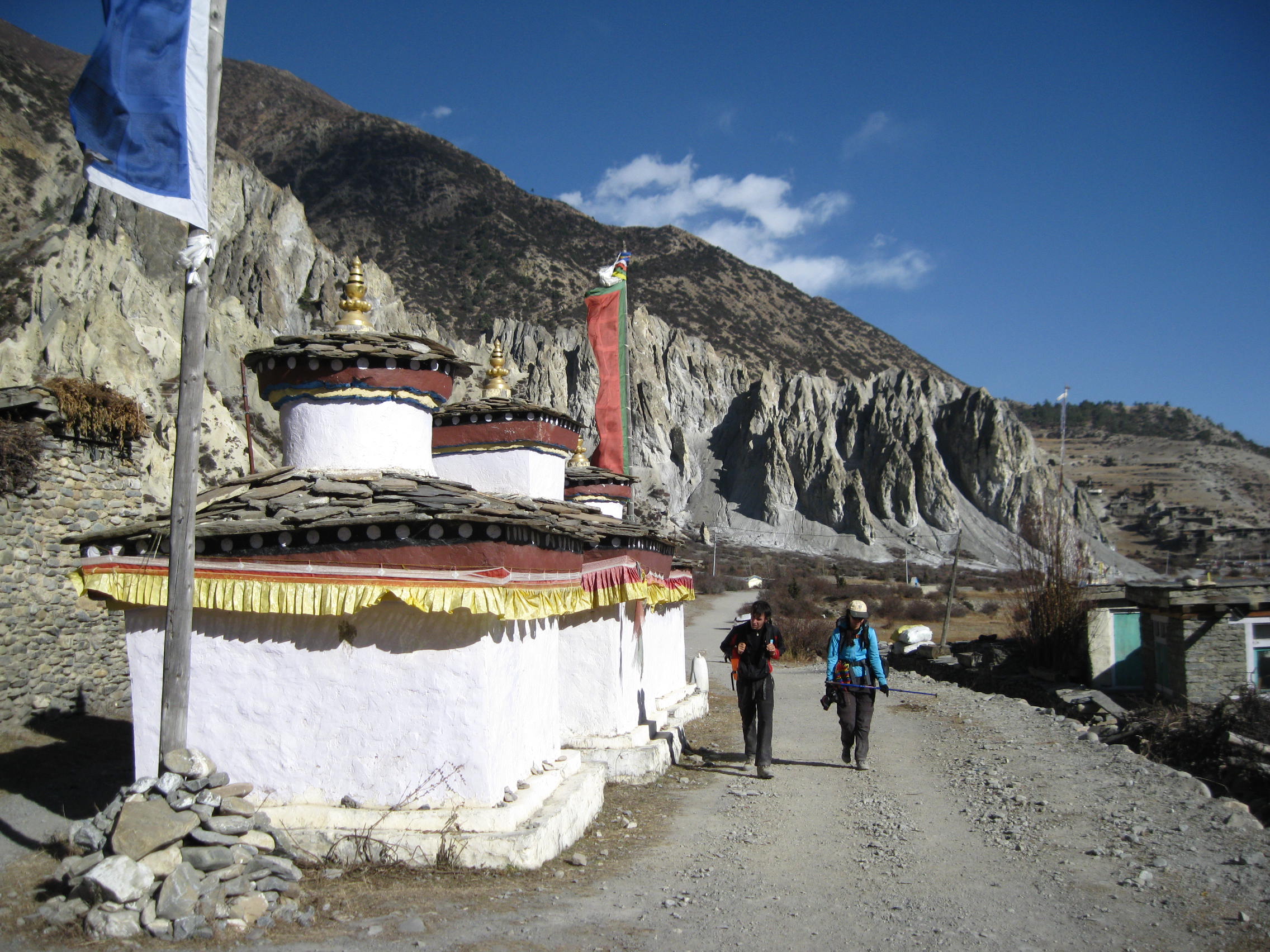
The adventure begins from Pokhara, Nepal’s lakeside gateway to the Annapurna region. The early days of the trek wind through terraced farmland, dense rhododendron forests, and traditional villages, where Gurung and Magar communities continue age-old ways of life. At these lower elevations, daytime temperatures typically range between 18°C and 25°C, with cooler evenings that remain comfortable for trekking.

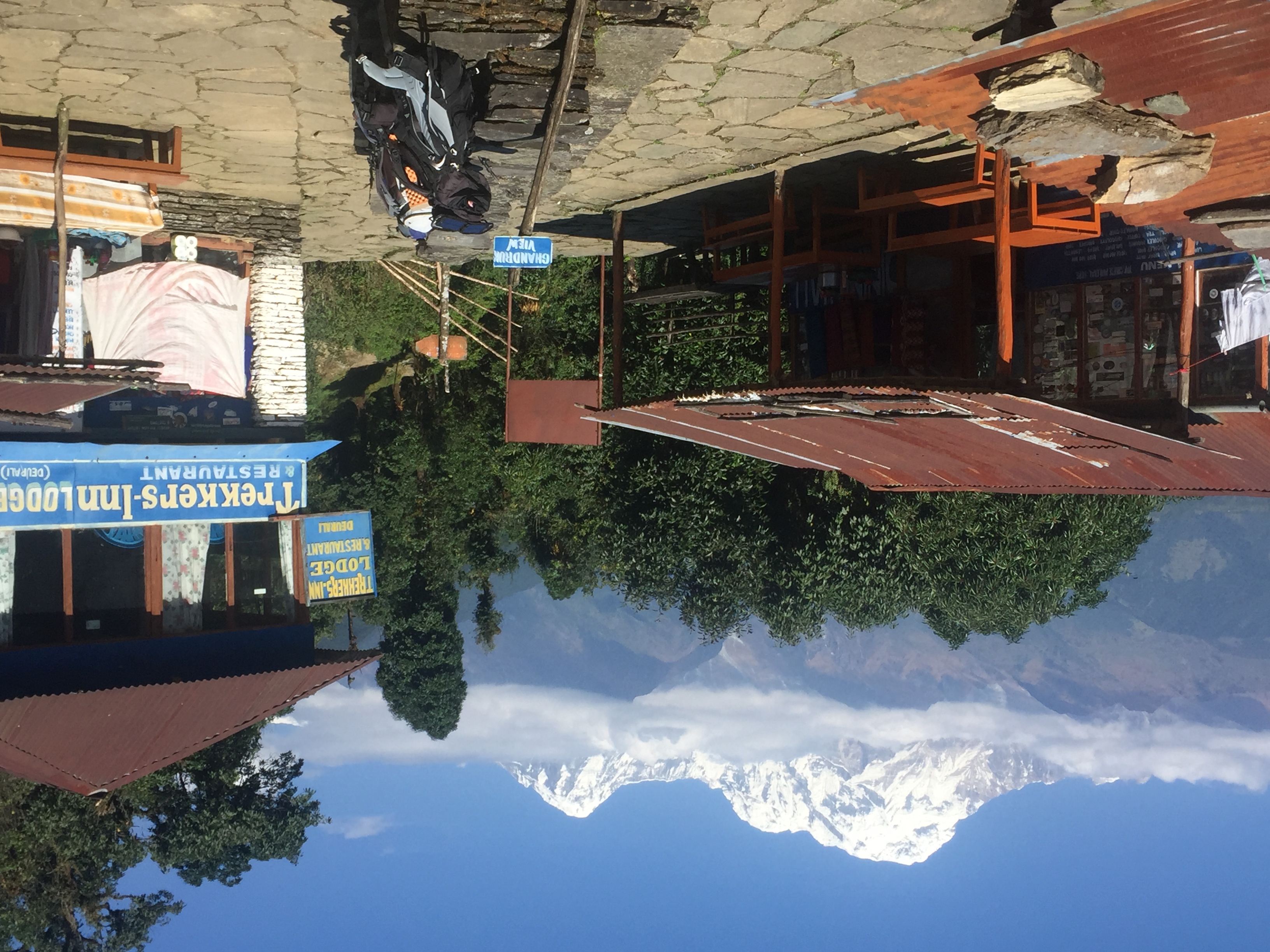
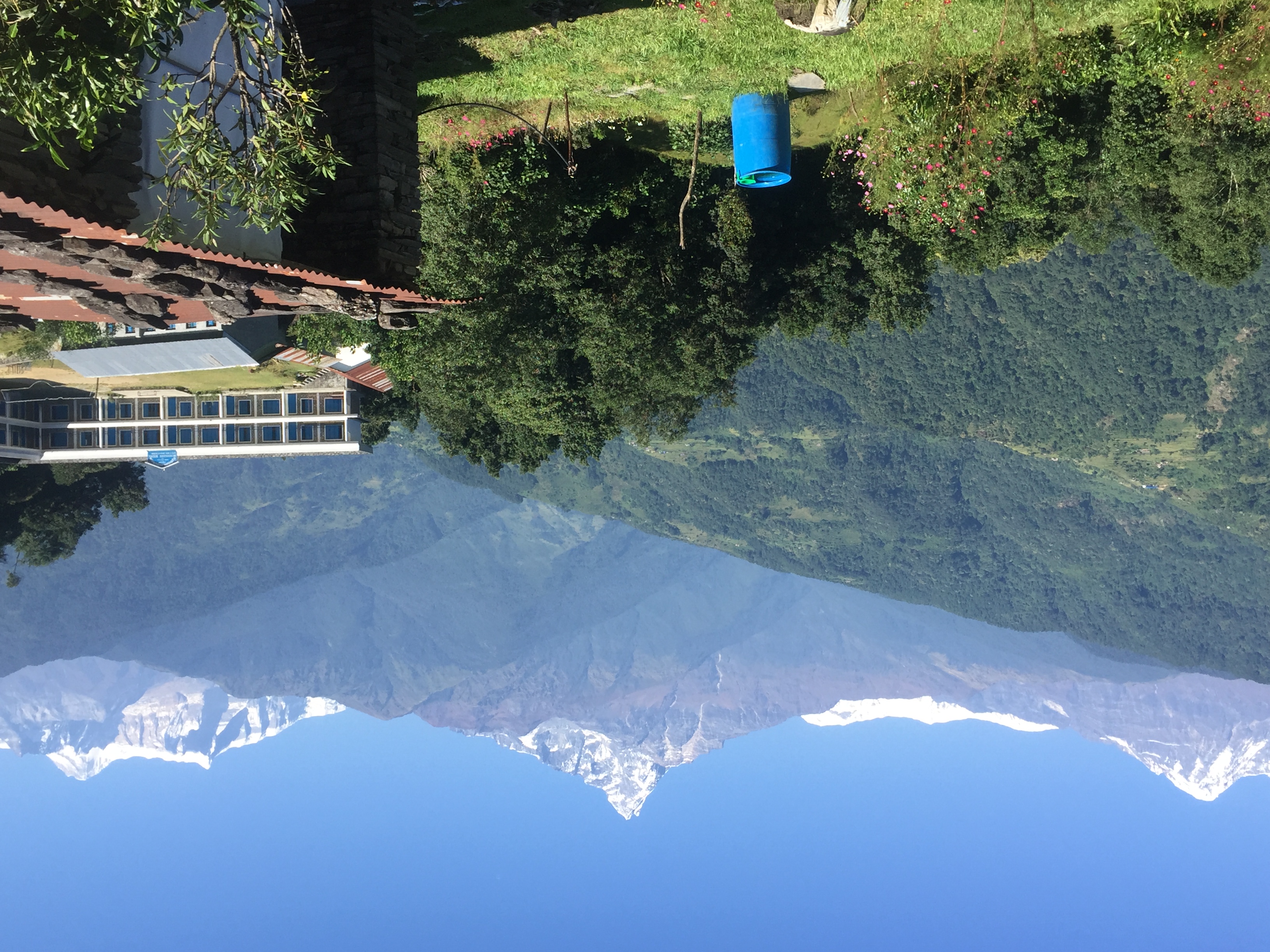
One of the early highlights is the ascent to Poon Hill at 3,193 meters. Reached before sunrise, this viewpoint offers a sweeping Himalayan panorama that includes Dhaulagiri, Annapurna South, Hiunchuli, and the unmistakable profile of Machhapuchhre. As the first light touches the peaks, temperatures here usually range from 5°C to 10°C, making the early start crisp but rewarding. The nearby village of Ghorepani reflects the warmth and hospitality of the mid-hill communities and provides a restful pause before heading deeper into the mountains.

Beyond Ghorepani, the trail gradually transitions into the Annapurna Sanctuary. Forests become denser, valleys narrower, and the terrain increasingly alpine. Passing through bamboo groves and glacial riverbeds, trekkers reach Machhapuchhre Base Camp at 3,700 meters, where daytime temperatures average 5°C to 8°C and nights often drop below freezing. The final ascent to Annapurna Base Camp at 4,130 meters leads into a vast natural amphitheater surrounded by towering Himalayan giants, including Annapurna I, Annapurna South, Gangapurna, and Machhapuchhre.

At Annapurna Base Camp, daytime temperatures typically range between 2°C and 8°C, while early mornings and nights can fall to -5°C to -10°C, depending on the season. The calm, open setting and close proximity to the peaks create one of the most memorable high-altitude environments in Nepal. The gradual ascent profile and well-paced itinerary allow for proper acclimatization, making the trek achievable for trekkers with good general fitness.

This combined route is ideal for those who want both iconic viewpoints and a true high-mountain experience, offering variety without unnecessary repetition. With its balance of scenery, culture, and altitude, the Annapurna Base Camp with Ghorepani–Poon Hill Trek remains one of the most rewarding journeys in the Himalayas.


Trip Notes

Best Season to Trek

  • Autumn (September–November): Clear skies, dry trails, and stable conditions. Daytime temperatures range from 10°C to 20°C at lower elevations and remain cold but manageable at higher camps.

  • Spring (March–May): Blooming rhododendron forests and mild weather. Temperatures generally range from 12°C to 22°C in lower regions and 2°C to 10°C near base camp.

Temperature Overview

  • Lower villages: 18°C to 25°C

  • Ghorepani and Poon Hill: 5°C to 12°C

  • Machhapuchhre Base Camp: 5°C to 8°C

  • Annapurna Base Camp: 2°C to 8°C daytime, -5°C to -10°C at night

Permits Required

  • Annapurna Conservation Area Permit (ACAP)

  • TIMS Card (Trekkers’ Information Management System)

Trek Difficulty

  • Moderate

  • Suitable for beginners with good physical fitness

  • Daily walking duration: 5 to 7 hours

Maximum Elevation

  • Annapurna Base Camp: 4,130 meters (13,550 feet)
Itineraries

This day involves a long but scenic drive of about 6 to 7 hours. The route takes you out of the Kathmandu Valley through winding mountain roads, passing terraced hillsides, rivers, and small rural villages. The pace is relaxed since you’re in a vehicle, giving you time to enjoy the changing landscapes and prepare mentally for the trek ahead.


After a short drive to Phedi, your trek begins with a moderate uphill climb. The trail passes through forests and several traditional villages where you can observe local life and farming practices. Trekking 6 hours means you’ll walk at a comfortable pace, taking short breaks for water and photos. The terrain is a mix of dirt trails and stone steps, typical of the Annapurna region.


The hike today includes crossing the Modi Khola river and walking through terraced fields and forested sections. The terrain gradually rises, requiring steady effort. Six hours of walking usually include several breaks and time to enjoy viewpoints, so plan for a full day on your feet but nothing too strenuous.


This day brings more forested trail sections with rhododendron and bamboo, which are especially beautiful in spring when the flowers bloom. The path climbs steadily with occasional descents. You’ll pass small villages and tea houses, giving chances to rest and interact with locals.


Entering the Annapurna Sanctuary means the terrain becomes more alpine and less forested. You’ll cross moraine and rocky paths as the altitude rises. The 5-6 hours include some challenging uphill walking, but the spectacular mountain scenery keeps the energy up. Machhapuchhre Base Camp is a great place to rest and take in close views of the iconic Fishtail Peak.


This day is the highlight! The early morning hike to Annapurna Base Camp takes about 2 to 3 hours and is moderate but at higher altitude, so pacing yourself is important. Once at ABC, you can soak in the incredible panoramic views. The descent to Dobhan is longer, about 4 to 5 hours, and mostly downhill, which can be tough on the knees but easier on the lungs. Altogether, it’s a long day with a mix of altitude and terrain.


Descending back to Chhomrong is mostly downhill and through bamboo forests and lush greenery. The 6-hour trek allows for a leisurely pace, enjoying the peaceful surroundings and the hospitality of Chhomrong village.


Today’s trial is scenic, winding through dense forests with fantastic mountain views. The trek is moderately challenging with some uphill stretches, so pacing for 6-7 hours means you’ll be steadily moving but with plenty of chances to rest and take photos.


This section involves walking through oak and rhododendron forests, often with steady uphill and downhill sections. Six hours on the trail is a good full day that keeps you engaged with changing landscapes as you approach Ghorepani, a key village known for its vantage points.


The early morning climb to Poon Hill takes about 1 to 2 hours and is steep but short, rewarding you with breathtaking sunrise views. After soaking in the panorama, the descent and trek to Hile takes about 5 to 6 hours, mostly downhill with some level sections passing through villages and terraced fields. It’s a long day but with varied terrain and great scenery.


The final trekking day is relatively short and mostly downhill, allowing you to relax and enjoy the final stretch. The 3 to 4 hours walking is easy compared to previous days. Afterward, a drive back to Pokhara gives time to unwind by the lakeside and celebrate your accomplishment.


The last day is a bus ride returning to Kathmandu. Similar to Day 1, this journey gives time to reflect on the trek and enjoy the diverse landscapes of Nepal from your seat.

.


Cost Includes

Transportation

  • Tourist bus from Kathmandu to Pokhara and back

  • Taxi from Nayapul to Pokhara after the trek

Permits & Entry Fees

  • ACAP (Annapurna Conservation Area Permit)

  • TIMS Card (Trekkers’ Information Management System)

  • Accommodation

  • Lodge/teahouse stays during the trek

  • Hotel in Pokhara (usually 1 or 2 nights)

Meals during the trek

  • Breakfast, lunch, and dinner (usually Nepali and basic Western food)

  • Hot drinks like tea or coffee (limited per day)

Staff Services

  • Professional trekking guide

  • Porters to carry your main luggage (usually 1 porter for 2 trekkers)

  • Their food, accommodation, insurance, and wages

Safety Measures

  • Basic First Aid Kit

  • Pre-trek briefing and itinerary planning

Cost Excludes

Personal Insurance & Emergencies

  • Travel insurance

  • Medical insurance

  • Helicopter evacuation in case of altitude sickness or injury

Food & Drink Outside Trek

  • Meals in Kathmandu or Pokhara (except breakfast, if included)

  • Snacks, soft drinks, bottled water, alcohol, chocolate, etc., during the trek

Trekking Gear & Equipment

  • Sleeping bag, down jacket, trekking poles (can usually be rented)

  • Personal clothing and gear like boots, gloves, a backpack, etc.

Personal Expenses

  • Hot showers in teahouses (usually a small fee)

  • Charging electronics (per hour or device)

  • WiFi or mobile data access

  • Laundry, souvenirs, donations

Tipping

  • Tips for guides and porters (expected, but not included in the cost)

Other Costs

  • Entry fees for monasteries, hot springs, or viewpoints

  • Fees for extra services not in the itinerary (e.g., jeep ride, extra hotel nights)

Reviews

No reviews added yet.

Explore More

Similar Packages

Annapurna Base Camp Trek 10 Days
Featured

Annapurna Base Camp Trek 10 Days

Nepal
10 Days
moderate
Annapurna Ski Touring
Featured

Annapurna Ski Tour

Nepal
5 Days
moderate

We are associated with

Associations

We are affiliated with

Affiliations

Affiliation
GON
Affiliation
TAAN
NATTA

Subscribe

Welcome to the Beta Version of Ticino Treks and Expedition!

We're still working on some features, so check back soon for updates. Thank you for your patience!